


Will a new boiler make house warmer? If you are considering a new boiler installation, it is important to know how much your home will benefit from a boiler upgrade.
DO I NEED A NEW BOILER?
The greatest approach to guarantee that your home remains well-insulated and draught-proof is to make sure that the central heating system is current and functional since it can handle the seasonal changes during the winter. The most obvious evidence that you need a new boiler is if it breaks beyond repair – but nobody wants to wait until that happens.
Therefore, if your boiler was installed more than ten years ago, it is imperative to get it checked thoroughly to see if it is in functioning condition. The easiest way to tell whether you need a new boiler is to watch for warning signs like rising energy costs, frequent heating engineer visits, and a general sense that your central heating isn’t performing as well as it did.
BENEFITS OF A NEW BOILER
An outdated boiler, especially one that was built more than ten years ago, maybe the key to keeping a frigid house warm. Additional advantages of installing a new boiler include more pleasant room temperatures, more efficiency, lower energy costs, a smaller carbon footprint, and a covered warranty term if a boiler issue occurs.
WHY DOES HEAT ESCAPE THE HOME?
Finding strategies to keep a cold house warm might help you save money on your bills while keeping you comfortable during the winter as energy prices continue to increase.
 More heat will be retained in a home with good insulation, but if the house seems chilly despite this, heat may not be escaping from the building. In that situation, it’s worthwhile focusing on the heating system itself as it could require maintenance or replacement.
Before thinking about how to keep a chilly house warm, it is necessary to examine for probable heat loss areas. While central heating systems are effective at keeping a home warm, there are numerous cracks and holes throughout the structure that enable heat to escape and frigid draughts to enter. Your energy costs will increase as a result of the boiler working harder to heat a cold house.
A total of 25% of the heat within the house escapes through the roof, with the remaining 35% leaving through the walls, doors, and windows. 10% of heat loss occurs through the floor, which is also to blame; this is the thermal envelope, and with enough insulation, the pace at which heat departs the building may be slowed.
Therefore, it’s crucial to have a central heating system that can effectively and efficiently heat the entire property, as well as adequate wall, loft, and floor insulation.
THE IMPORTANCE OF INSULATION
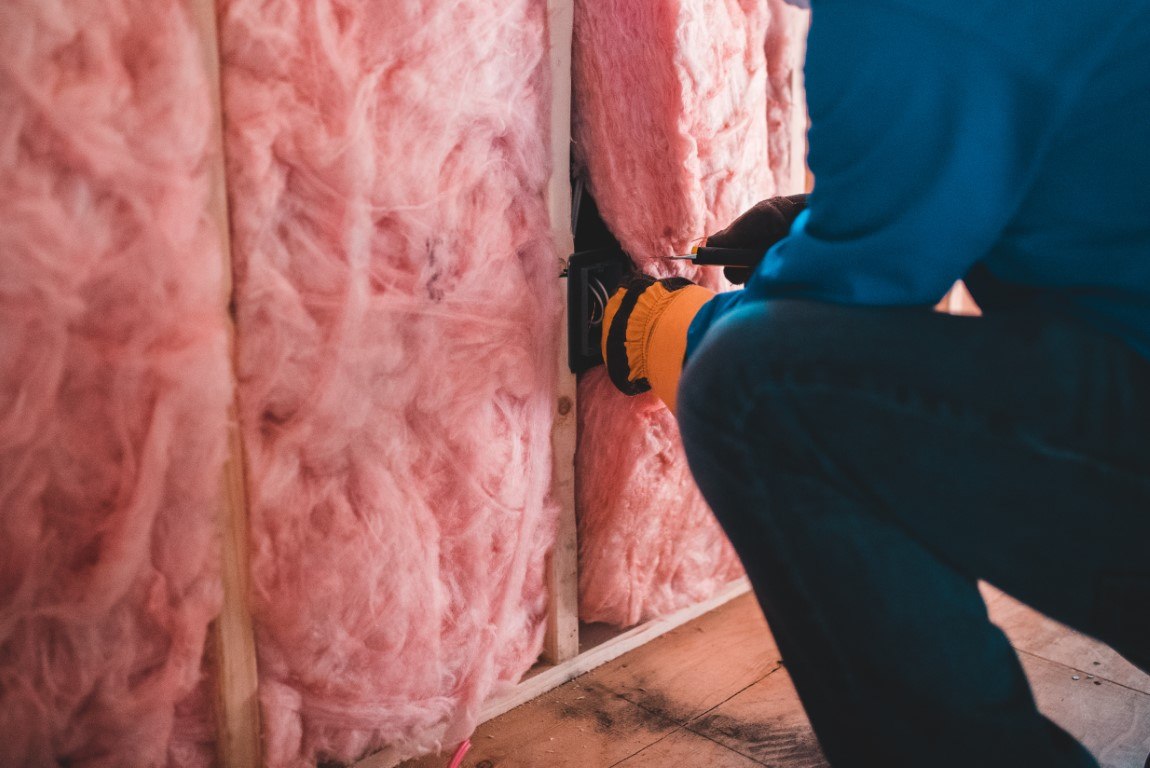 Lower energy bills will be a benefit of residing in a house with adequate insulation. Mineral wool insulation in the loft, which costs around £250, is the least expensive and easiest to install in terms of cost-effectiveness and within a few years, this will pay for itself. Floor insulation and cavity wall insulation are the next two areas to concentrate on.
If your home has an older solid wall construction, insulation of the cavity walls is not an option, thus you will need to insulate either inside or externally.
A more efficient boiler and improved heating controls can both help you save money on your utility expenses. For instance, if you don’t have a thermostat, your house will probably be too hot when the programmer activates. Your radiators’ thermostatic valves can control the temperature in individual rooms and let you turn off the heat in any spaces that aren’t being used.
Radiators leak heat from the front and rear, which means that a large portion of the heat is utilised to warm the wall behind the radiator, which isn’t very helpful for heating your home. By covering a piece of card in tin foil and slipping it behind the radiator, you may prevent the heat from heating the wall. By doing this, heat that would otherwise be lost will be reflected into the space.
WAYS TO MAKE YOUR HOUSE WARMER
An efficient boiler makes a major impact because around 55% of your annual energy costs go toward heating, but there are many more things you can do without breaking the bank.
BLEED YOUR RADIATORS
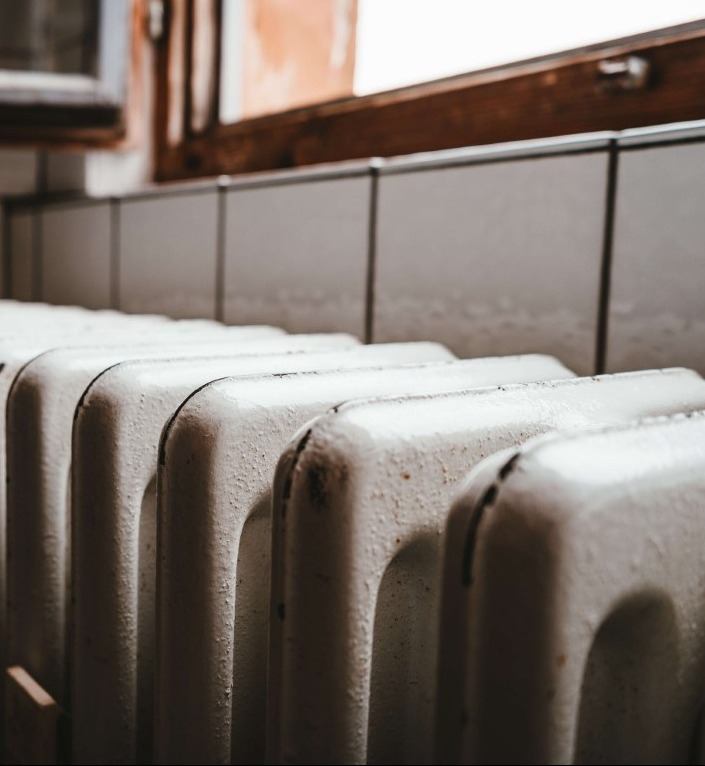 Radiators may require bleeding if you’ve noticed that one or more of them aren’t heating up as well as they once did.
Air from the central heating system is released by bleeding a radiator; an obstruction caused by too much air in the radiators might stop the hot water from moving. If a radiator requires bleeding, you’ll be able to tell since the top will be much colder than the bottom.
This may be the case if your radiators only become hot at the bottom. Bleeding your radiators is crucial because air may accumulate in your central heating pipes over time. To determine if your radiators are hot from top to bottom, turn on the heating for a bit. If they’re not, bleed them using the radiator key (or a screwdriver, if you have more contemporary radiators). Simply turn the bleed valve until you hear air pouring out to complete the task.
Once the air has been completely ejected, be prepared with a cloth to catch any water that may come out (the water will be nasty, so you don’t want it on the carpet). Then close the valve once again, and your radiators will function normally once more. When bleeding radiators, you might need to fill off your system with water, especially if a lot of air escapes. This task is also straightforward; frequently, all that is required is to open a tap on the boiler’s base.
DRAUGHT-EXCLUDERS
Your house will stay warm, and your energy costs will go down if you fill or plug any holes and crevices where heat may leak out. These openings are typically located around windows and doors, and all it takes to seal them off is some insulating tape.
The letterbox, keyholes, and pet flaps should all be taken into consideration since they all let draughts into the building. Keyholes may have covers added, while letterboxes and pet flaps can have brushes added. Cover the opening at the bottom of interior doors where heat from one room might leak into another to further draught-proof the area. Heat will not escape if you cover the area with a draught excluder.
MAKE USE OF CURTAINS
As we’ve already discussed, a room’s windows may lose a lot of heat, so curtains are essential for keeping the heat in and the cold out. Better still if they are thicker. It may seem obvious, but in addition to keeping the curtains drawn at night, you should also let the sunlight into your home by letting them up during the day. This is a simple yet efficient approach to keeping your house warm.
INSULATE YOUR LOFT
One of the greatest methods to stop heat loss is using insulation. After all, the walls, roof, and floor all lose a significant amount of heat. Since heat rises, a loft with plenty of insulation can help keep heat from escaping through the roof.
In addition to these three types of insulation, double or even triple glazing can be an efficient insulator if the windows around a home are single-glazed. Although installing double glazing throughout the house is useful, it can be expensive. Fortunately, thermal window film is a considerably more affordable substitute. By reflecting heat back into the space, thermal window film can help keep additional heat from escaping through your windows.
WRAP THE HOT WATER TANK
Your home’s central heating will be far more effective if you keep the water hotter for longer. Pipes convey the hot water throughout the central heating system. You won’t even need any equipment to wrap lagging around the pipes, which will function as an insulator and keep them warm for longer.
By placing thermostatic radiator valves (TRVs) on the radiators throughout your home, you may be able to have more control over which rooms you want to heat up and how hot you want them to be. To save power, the TRV will turn off the radiator after the desired temperature has been reached. To keep the heat inside the room, keep the door closed.
INVEST IN A NEW BOILER
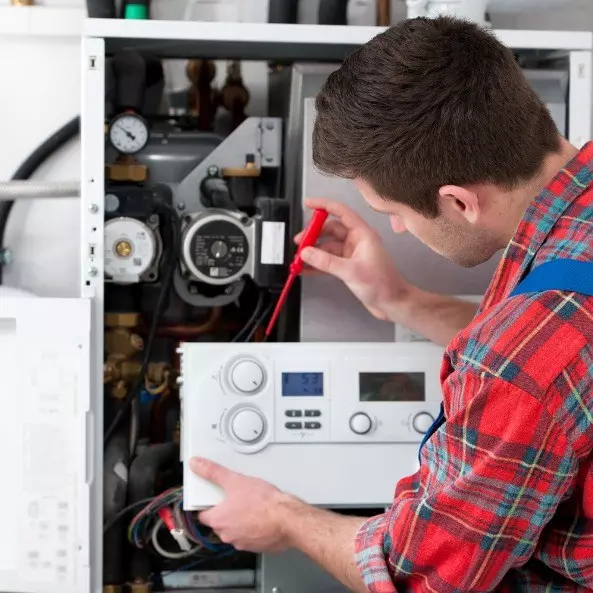 Maintaining a gas boiler in good shape is crucial for keeping a cold house warm because the great majority of households in the UK use one for central heating.
Once a year, a Gas Safe certified professional will inspect the boiler to ensure it is operating safely and effectively (OFTEC engineers for oil boilers). A gas boiler must undergo formal maintenance once a year, which is necessary for both safety and the heating system’s effective operation.
None of the aforementioned alternatives will be particularly effective if your central heating system is outdated and inefficient. A boiler that is more than 8 years old may need to be replaced with a new, contemporary boiler in order to heat your house to a reasonable temperature.
We hope this article answered the question: will a new boiler make house warmer? If you are looking for more advice on central heating upgrades and new boiler installations in the Romford and Essex areas, follow the links below to find out more.