


A reliable heating system is essential for every school. Classrooms, corridors, halls, offices, kitchens and changing rooms all depend on safe and consistent heating and hot water. When a school boiler starts to fail, the impact can be felt quickly across the whole site.
Cold classrooms can affect comfort and concentration. A loss of hot water can create hygiene concerns. Repeated breakdowns can cause stress for site teams, senior leaders and governors. If the boiler is old, inefficient or no longer suitable for the building, replacement may be the most sensible long-term option.
At J&S Heating, we work with commercial clients that need dependable heating and hot water systems. For schools, the priority is always clear: keep pupils, staff and visitors safe while reducing disruption to learning as much as possible.
This guide explains when a school boiler may need replacing, what should be considered before work begins and how careful planning can help the project run smoothly.
When should a school boiler be replaced?
A school boiler does not need to be replaced just because it is old, but age is often part of the decision. Many schools continue to run older heating plant for years, especially when budgets are tight. The problem is that older systems can become harder to repair, more expensive to maintain and less reliable during colder months.
A replacement may be worth considering if:
- The boiler breaks down regularly
- Replacement parts are difficult to source
- Energy bills are increasing without a clear reason
- Heating is uneven across the school
- Hot water demand is not being met
- Repairs are becoming more frequent and costly
- The boiler is no longer suitable for the building
- There are safety or compliance concerns
- The school is planning refurbishment or expansion work
One breakdown may not mean a full replacement is needed. However, repeated issues usually point to a deeper problem. If the system is unreliable every winter, it may be time to stop paying for short-term repairs and plan a more suitable long-term solution.
Why school boiler replacement needs careful planning
Replacing a school boiler is not the same as replacing a domestic boiler. Schools are busy sites with safeguarding responsibilities, access restrictions, term dates, strict budgets and multiple stakeholders. The heating system may serve several buildings, different heating zones and a large number of people.
A school boiler replacement project may need input from:
- The headteacher or senior leadership team
- The site manager or estates team
- Governors or trustees
- The local authority or academy trust
- Health and safety leads
- Finance teams
- External consultants
- Contractors and engineers
Planning helps avoid confusion. It also reduces the risk of delays, unexpected costs and disruption to teaching.
A good plan should answer practical questions early. When can work take place? How will heating and hot water be maintained if needed? What access will engineers need? Are there asbestos records to review? Is electrical work required? Will the existing flue, pipework, pumps, controls or plant room layout need changes?
The more that is understood before work starts, the easier it is to deliver the project safely and efficiently.
Choosing the right boiler for a school
The right boiler depends on the school building, the current heating system and the level of demand. A small primary school will have different needs from a large secondary school, sixth form college or multi-building academy site.
Before recommending a replacement, an engineer should assess the current system and how the school uses heating and hot water. This may include reviewing:
- Building size
- Heating zones
- Number of pupils and staff
- Hot water usage
- Plant room space
- Existing pipework
- Flue route
- Controls
- Insulation levels
- Future expansion plans
- Current boiler output
- Energy use and running costs
It is important not to assume that the replacement boiler should simply match the old one. Older systems may have been oversized, altered over time or designed for a building layout that has since changed. A proper assessment can help the school choose a system that is better suited to current and future needs.
Compliance and gas safety
Gas safety must be central to any school boiler replacement. Any gas work should be carried out by suitably qualified Gas Safe registered engineers. Schools should also make sure the engineer or business has the right qualifications for the type of commercial work being carried out.
Commercial heating work requires the correct competence. It is not enough to choose an engineer who only works on domestic boilers if the school has a commercial boiler or larger plant room system.
Compliance is not only about the boiler itself. The wider system may include gas pipework, flues, ventilation, controls and safety devices. These all need to be considered as part of the replacement process.
Schools should also keep clear records of work completed. This can help with future servicing, inspections, audits, insurance queries and estate planning. Good documentation gives the site team a better understanding of the system and helps future engineers work safely.
Timing the work around the school calendar
Timing is one of the biggest concerns for school boiler replacement. Most schools prefer major heating work to take place during school holidays, especially the summer break. This gives contractors better access and reduces the risk of disruption to pupils and staff.
However, not every boiler problem happens at a convenient time. A school may discover serious issues in autumn or winter when the heating is needed most. In these cases, the project may need to be planned in phases, with temporary measures considered where appropriate.
Common timing options include:
- Summer holiday replacement
- Half-term works
- Weekend works
- Phased replacement
- Emergency replacement following failure
- Planned preparatory works during term time
The best option depends on the urgency of the project and the condition of the existing system. If a boiler is still operational but unreliable, the school may be able to plan ahead for a holiday replacement. If the boiler has failed completely, a faster response may be needed.
At J&S Heating, we understand that schools need practical scheduling. We work with clients to plan access, manage disruption and make sure important details are considered before work begins.
Minimising disruption during boiler replacement
Disruption cannot always be removed completely, but it can be reduced with proper planning. The aim is to keep the school informed, safe and operational wherever possible.
A clear disruption plan may include:
- Agreeing working hours
- Confirming access routes
- Keeping work areas secure
- Planning deliveries
- Managing noise
- Protecting floors and nearby areas
- Keeping staff informed
- Confirming temporary heating or hot water needs
- Scheduling shutdowns carefully
- Making sure handover information is provided
Communication is especially important. School leaders and site staff need to know what will happen, when it will happen and who to contact if there is a concern.
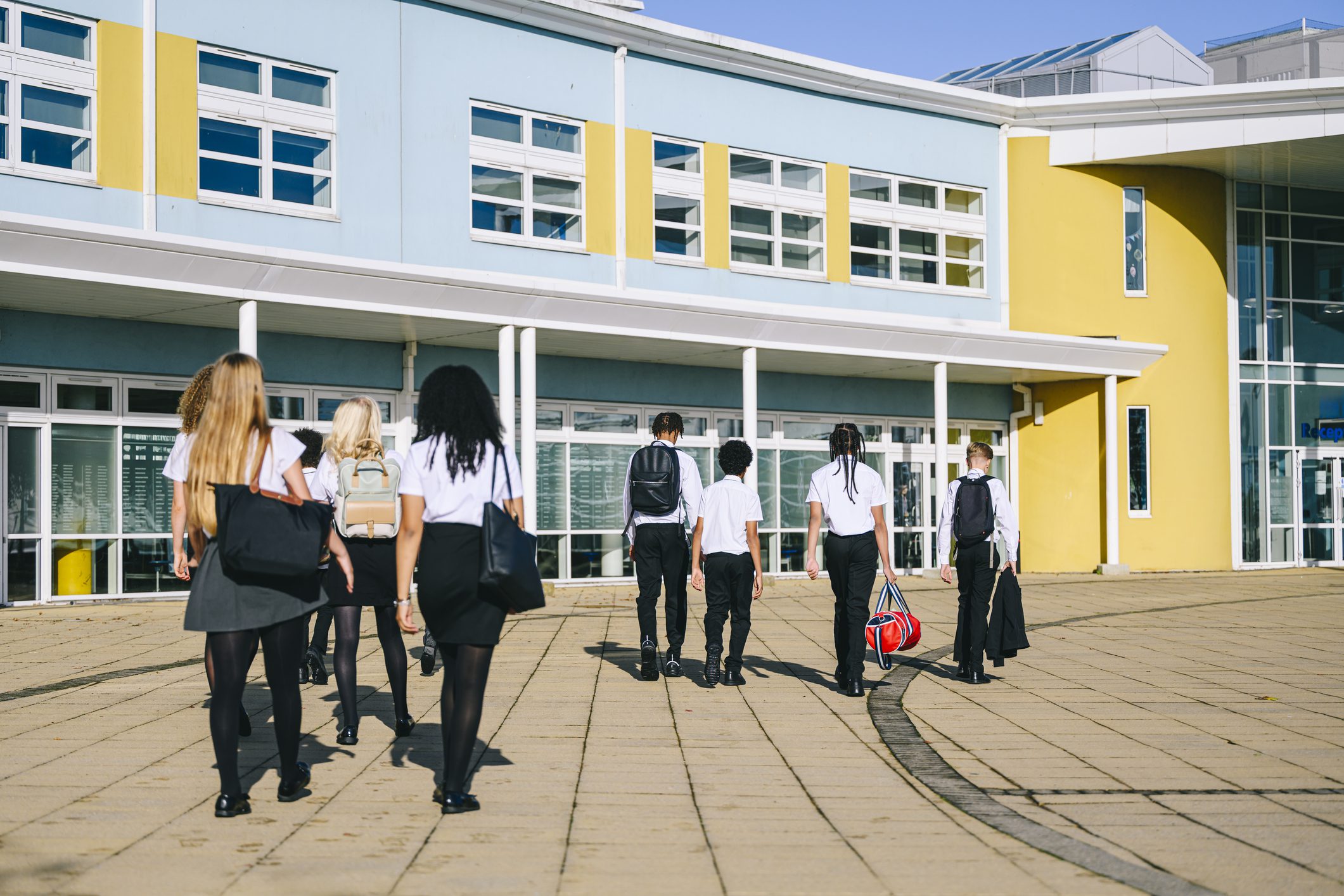
If work takes place during term time, safeguarding procedures must be followed. Contractors may need signing in arrangements, supervised access or restricted working areas. These details should be agreed before engineers arrive on site.
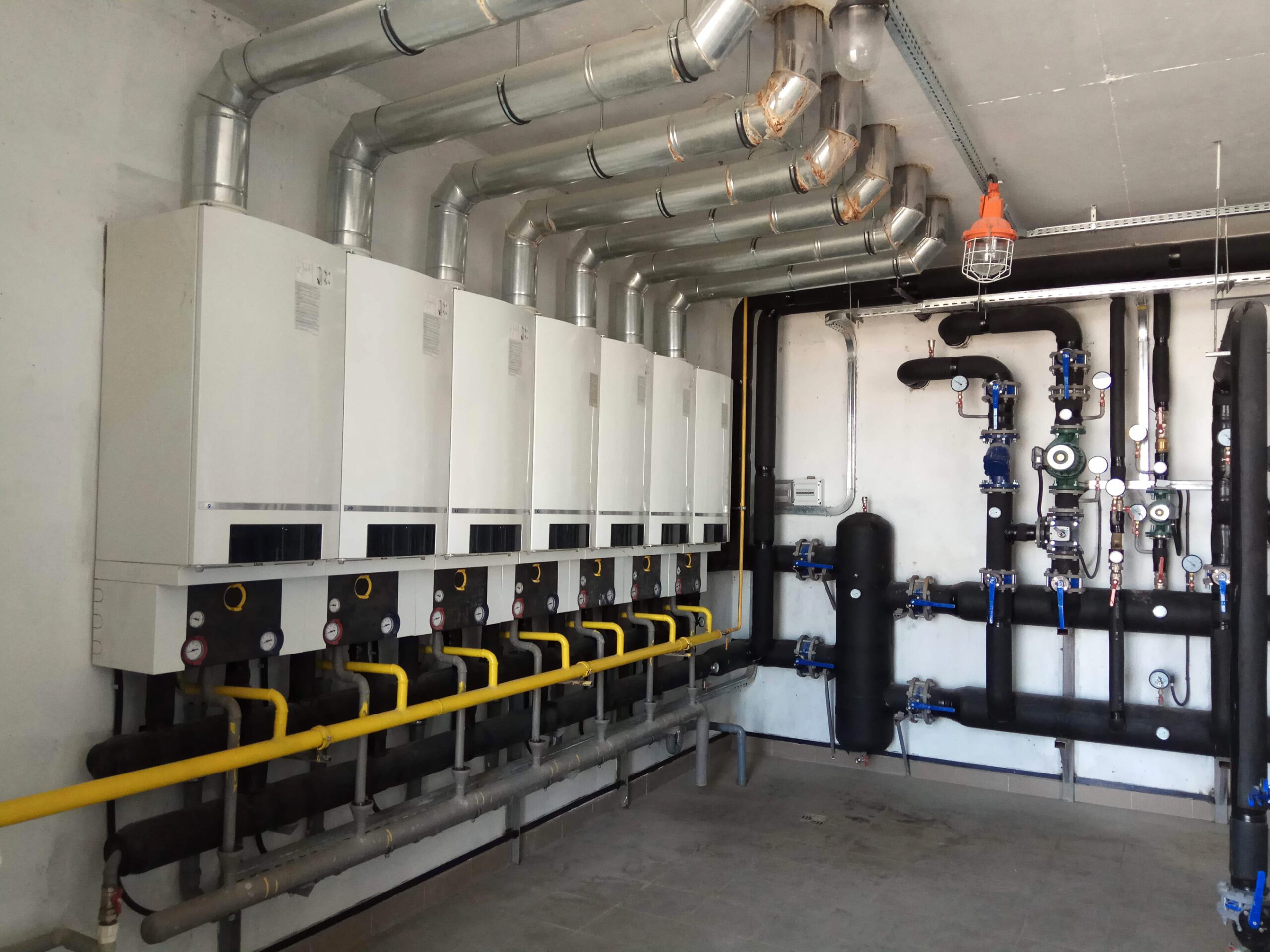
Plant room considerations
Many school boiler replacement projects involve plant rooms that have changed over time. Equipment may have been added, removed or altered across many years. Space can be tight, access can be difficult and older systems may not meet the needs of the modern school.
Before installation begins, the plant room should be assessed carefully. Important considerations include:
- Safe access for engineers
- Adequate working space
- Ventilation
- Flue routes
- Gas pipework condition
- Electrical supplies
- Drainage
- Controls and wiring
- Pump condition
- Water treatment
- Asbestos records
- Fire safety requirements
A boiler replacement is often a good opportunity to review the plant room more broadly. In some cases, upgrading controls, pumps or water treatment can improve the performance and reliability of the new system.
For schools planning wider building improvements, a boiler replacement should also be considered alongside future projects. If the school expects to add new classrooms, extend a hall or change building use, the heating system should be designed with those plans in mind.
Energy efficiency and running costs
Schools are under pressure to manage budgets carefully. Heating can be a major part of site running costs, so an old or inefficient boiler can place extra strain on finances.
A modern, correctly specified boiler may help reduce wasted energy, especially when combined with good controls and proper system commissioning. However, the boiler is only one part of the picture. The condition of the building, insulation, pipework, emitters and controls all affect performance.
When planning a school boiler replacement, it is worth reviewing how the system is currently used. Are rooms heated when they are empty? Are different zones controlled properly? Are time schedules accurate? Are thermostats working? Are staff using portable heaters because certain areas are too cold?
Answering these questions can help the school get better value from the new boiler. It can also highlight low-cost changes that support comfort and energy efficiency.
Repairs versus replacement
Some schools delay boiler replacement because repairs seem cheaper in the short term. Sometimes this is the right decision. A well-maintained boiler with an isolated fault may simply need a repair.
However, replacement may be the better option when repairs are becoming frequent or the boiler is no longer dependable. Site teams should look at the overall pattern, not just the latest fault.
Questions to ask include:
- How often has the boiler failed in the last two years?
- How much has been spent on repairs?
- Are parts still available?
- Is the system meeting heating demand?
- Is the boiler safe and compliant?
- Could another breakdown close part of the school?
- Would replacement reduce long-term risk?
A clear cost comparison can help decision makers. The cheapest immediate option is not always the best value if the same problems return every winter.
What happens during a school boiler replacement?
Every project is different, but most school boiler replacements follow a similar process.
First, the existing system is assessed. This helps confirm the correct boiler size, plant room requirements and any changes needed to pipework, flues, controls or associated equipment.
Next, the school receives recommendations and a scope of work. This should explain what is included and highlight any assumptions or exclusions. It is important that the school understands what will happen before approving the project.
Once work is agreed, dates are scheduled. Access, safeguarding, deliveries and shutdowns should be planned in advance. The old boiler is then safely isolated and removed where required.
The new boiler is installed, connected and tested. Commissioning is carried out to make sure it operates correctly. The engineer should also check controls and explain anything the site team needs to know.
At handover, the school should receive relevant documentation. This may include commissioning information, certificates, manuals and servicing recommendations. The site team should keep these records safe for future reference.
Why schools should use an experienced commercial heating contractor
A school boiler replacement needs more than basic installation skills. It requires an understanding of commercial heating systems, safety requirements and the pressures schools face.
An experienced contractor can help identify risks early and explain options clearly. They can also plan the work around school routines, support compliance and make sure the finished installation is suitable for the building.
At J&S Heating, we support businesses and organisations with commercial heating services, including commercial boiler installations. We know that schools need reliable communication, safe working practices and practical advice from the first visit through to completion.
You can also view our recent case studies to see examples of the commercial work we carry out.
Planning ahead for maintenance
A new boiler still needs regular servicing and maintenance. Once the replacement has been completed, the school should agree a maintenance plan to keep the system in good condition.
Planned maintenance can help spot issues early, reduce the chance of unexpected breakdowns and support safe operation. It also helps protect the school’s investment.
A maintenance plan may include annual servicing, safety checks, water treatment checks, controls reviews and advice on any parts that are showing signs of wear.
For schools, planned maintenance is especially valuable before winter. A pre-season inspection can give the site team confidence that the system is ready for colder weather.
Signs your school should book a boiler assessment
If you are unsure whether your school needs a boiler replacement, an assessment is a sensible first step. You do not need to wait until the boiler fails completely.
It may be time to book an assessment if:
- The boiler is old and unreliable
- Heating complaints are increasing
- Some rooms are too hot while others are too cold
- Hot water runs out or takes too long to recover
- Repair costs are rising
- Energy use seems unusually high
- The plant room looks outdated or overcrowded
- The school is planning building changes
- You are worried about winter breakdowns
An assessment gives you clearer information. It can help you decide whether repair, replacement or phased improvement is the right route.
Speak to J&S Heating about school boiler replacement
A school boiler replacement is a major project, but it does not need to become a major disruption. With the right planning, a clear scope and experienced engineers, the work can be managed safely and sensibly.
At J&S Heating, we help schools and commercial clients with heating systems that need careful planning and dependable delivery. We can assess your existing boiler, explain your options and help you plan replacement work around the needs of your site.
Whether your boiler has failed, is becoming unreliable or needs replacing as part of a wider refurbishment, we are here to help.
To discuss a school boiler replacement project, get in touch with J&S Heating today.