

Commercial boilers are critical to the daily operation of many businesses. They provide heating, hot water, and in some cases process heat that keeps operations running. When a boiler reaches the end of its life, poor planning can lead to unexpected downtime, rising costs, and compliance risks. A well-planned boiler replacement protects comfort, continuity, and long-term efficiency.
This guide explains what commercial property owners and facilities managers need to know when planning a boiler replacement, from early warning signs to installation and ongoing performance.
When a commercial boiler should be replaced
Commercial boilers do not fail overnight in most cases. They show warning signs long before breakdown occurs. Recognising these signs allows businesses to plan replacement rather than reacting to emergencies.
Common indicators include:
- Rising fuel bills with no increase in usage
- Frequent breakdowns or callouts
- Inconsistent heating or hot water
- Difficulty sourcing replacement parts
- Visible corrosion or leaks
- Boiler age exceeding 15 years
Older boilers often operate at significantly lower efficiency than modern systems. Even if repairs remain possible, ongoing costs may outweigh the benefits of replacement.

Risks of delaying boiler replacement
Delaying replacement carries financial and operational risk. Emergency failures can shut down heating and hot water with no notice. For some businesses, this means lost revenue, closed premises, or regulatory breaches.
Older systems also struggle to meet modern efficiency and emissions standards. Continued use may expose businesses to compliance issues as regulations evolve.
Planned replacement allows control over timing, budget, and system design.
Assessing heating demand accurately
One of the most important steps in boiler replacement planning is understanding actual heating demand.
Many commercial buildings operate boilers that are oversized for current needs. Changes in occupancy, insulation improvements, or altered usage patterns can reduce demand over time.
A professional heat load assessment considers:
- Building size and layout
- Occupancy levels
- Operating hours
- Insulation and fabric performance
- Hot water demand
- Future expansion or changes
Correct sizing improves efficiency, reduces wear, and lowers operating costs.
Choosing the right boiler type
Commercial boilers come in several types, each suited to different applications.
Condensing gas boilers are the most common choice. They offer high efficiency and reliable performance for space heating and hot water.
Modular boiler systems use multiple smaller units rather than one large boiler. These systems improve resilience, as individual modules can operate independently. They also scale output based on demand, improving efficiency.
For larger or specialist applications, options may include combined heat and power systems or hybrid configurations. These systems require careful evaluation to ensure suitability.
The best option depends on building size, usage, and operational priorities.

Understanding efficiency ratings and performance
Efficiency ratings provide a useful comparison between systems, but real-world performance matters more than headline figures.
Modern condensing boilers achieve high efficiency when return water temperatures remain low. System design, controls, and emitter sizing all influence performance.
Installing a high-efficiency boiler into a poorly designed system limits potential savings. Replacement planning should consider the entire heating system, not just the boiler itself.
Compliance and regulatory considerations
Commercial boiler installations must comply with multiple regulations.
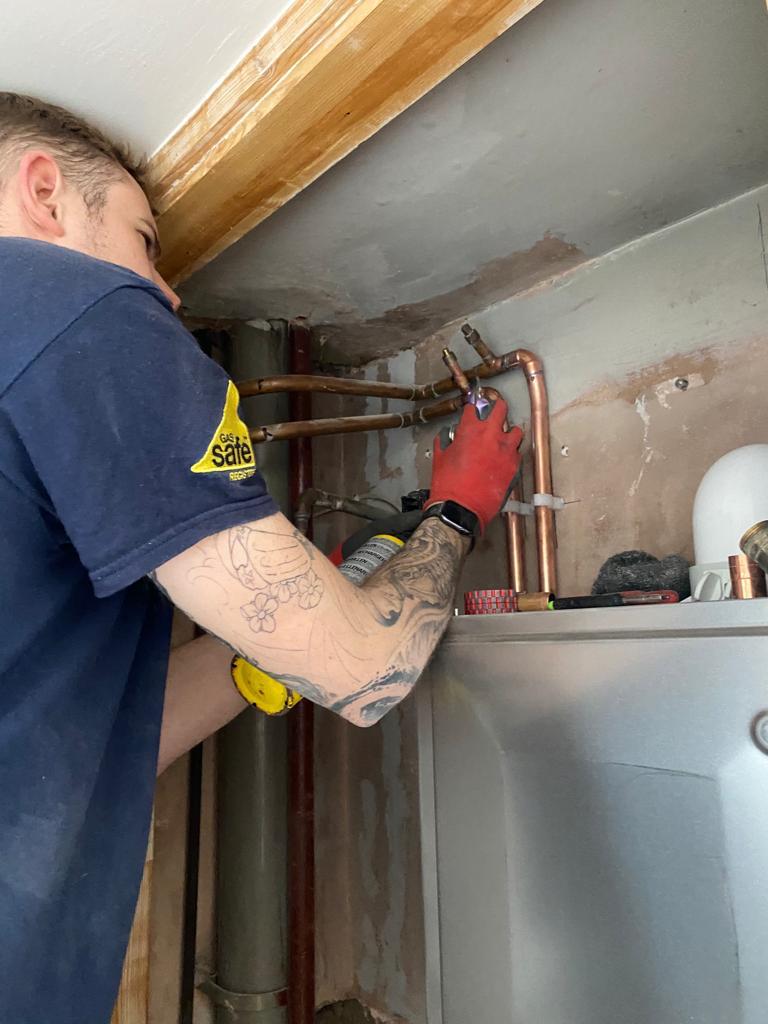
Gas installations must meet Gas Safety (Installation and Use) Regulations. Work must be carried out by Gas Safe registered engineers with appropriate commercial qualifications.
Building Regulations apply to energy efficiency, flue design, and ventilation. Larger systems may also require additional compliance checks or documentation.
Early engagement with qualified contractors ensures compliance is addressed from the outset.
Planning for minimal disruption
Boiler replacement can disrupt operations if not managed carefully.
Planning should consider:
- Installation scheduling outside peak operating hours
- Temporary heating or hot water solutions
- Phased installation where possible
- Clear communication with staff and tenants
Advance planning allows businesses to maintain continuity and avoid costly downtime.
Budgeting and cost considerations
Commercial boiler replacement costs vary widely based on system size, complexity, and site conditions.
Costs may include:
- Equipment purchase
- Installation labour
- System modifications
- Controls upgrades
- Commissioning and testing
- Removal of old equipment
While upfront cost matters, long-term operating costs and maintenance should drive decision-making. Higher efficiency systems often deliver strong returns over their lifespan.
Controls and system integration
Modern boilers perform best when paired with advanced controls.
Upgrading controls during boiler replacement improves comfort and efficiency. Features to consider include:
- Zoned heating control
- Weather compensation
- Remote monitoring
- Integration with building management systems
Control upgrades often represent a small proportion of total project cost but deliver ongoing savings.
Hot water considerations
For many commercial buildings, hot water demand is as critical as space heating.
Replacement planning should assess:
- Peak hot water demand
- Storage capacity
- Recovery times
- Legionella control measures
Improper hot water sizing leads to poor performance and user complaints. System design must reflect actual usage patterns.
Maintenance planning from day one
New boilers still require regular maintenance. Planning should include a clear servicing strategy from installation.
A maintenance plan helps:
- Maintain efficiency
- Extend system lifespan
- Protect warranties
- Ensure ongoing compliance
Service access, spare parts availability, and contractor support should all factor into system selection.
Future-proofing the system
Commercial boiler replacement is an opportunity to prepare for future change.
Future-proofing may include:
- Allowing space for additional equipment
- Designing systems for hybrid integration
- Ensuring compatibility with future control upgrades
- Supporting potential low-carbon transitions
Flexible system design protects long-term investment.
Documentation and handover
A thorough handover ensures the system operates as intended.
Documentation should include:
- Installation certificates
- Operating manuals
- Control settings
- Maintenance schedules
- Warranty information
Clear documentation supports facilities management and compliance.
Choosing the right contractor
Selecting a competent contractor is as important as choosing the right boiler.
Commercial owners should look for:
- Gas Safe registration with commercial experience
- Proven track record in similar projects
- Clear project management processes
- Transparent pricing
- Ongoing support and maintenance options
Professional contractors reduce risk and deliver better long-term outcomes.
Final thoughts
Replacing a commercial boiler is a major investment, but it also presents an opportunity. With proper planning, businesses can improve comfort, reduce costs, and strengthen compliance.
Early assessment, professional design, and careful contractor selection ensure boiler replacement delivers value long after installation is complete.