

Have you been asking: is it worth upgrading my radiators? This article looks at the benefits of replacing your radiators and the signs that they should be upgraded.
HOW OFTEN SHOULD RADIATORS BE REPLACED?
Although radiators are frequently among the most trustworthy and long-lasting components of any structure, wear and tear will eventually occur after years of constant use.
This may manifest as broken radiators or, less overtly but problematically, as insufficient or inconsistent heating throughout the appliance. If your hot water supply is functioning normally but your radiators are still not operating as they should, it may be time to replace them.
The availability of more design alternatives than ever before is a result of continual advancements in manufacturing technology, making modern radiators more efficient, effective, and affordable. If you’re looking for a quick cure, replacing old radiators is one of the safest methods to lower your energy expenditures.
How frequently should radiators be changed is a complicated subject, but a general rule of thumb is between fifteen and twenty years. If your radiators are approaching this age range, it’s critical to be aware of how they are operating.
WHY REPLACE RADIATORS?
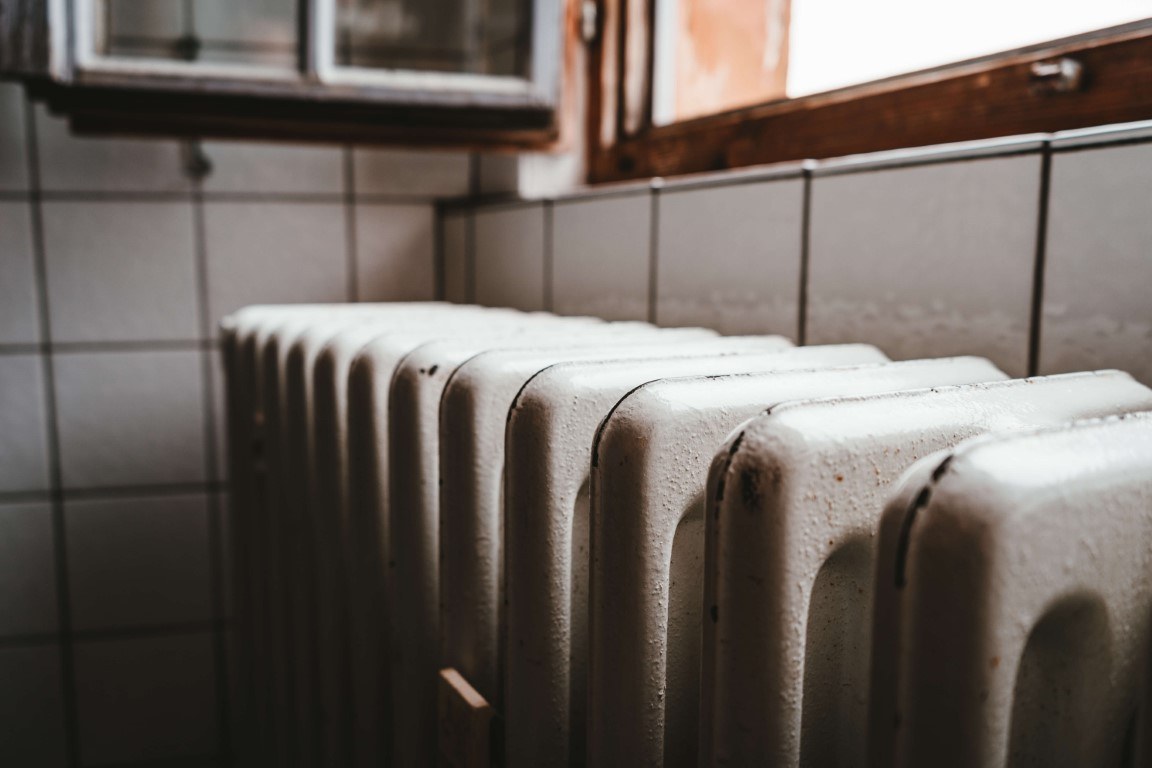 In your home, radiators are frequently considered standard equipment that should just do their job without any special care or attention. Your radiators were likely built decades ago without receiving the required maintenance if you just moved into a house.
It might be easy to disregard your radiators and concentrate on other areas of your house if you decide to repair or update your home. However, you should at least think about changing your radiators unless you’re moving into new construction. This will enable you to choose radiators that are more in line with the aesthetic of the rest of your house while also upgrading to a more efficient set.
Before replacing your radiators, there are a few important things to keep in mind. Although you might be tempted, you should be sure that your boiler can manage the additional burden before installing bigger or more radiator units.
People frequently upgrade their boilers since they need more frequent maintenance and service while keeping their original radiators in situ. Radiators typically have a longer lifespan, but they don’t last forever, and if your new boiler is utilised to feed water to old radiators, all its advantages might be lost.
COMMON RADIATOR ISSUES
 The radiator is one of those components that you frequently overlook until there is a problem. However, it typically has little trouble grabbing your attention when it wants to.
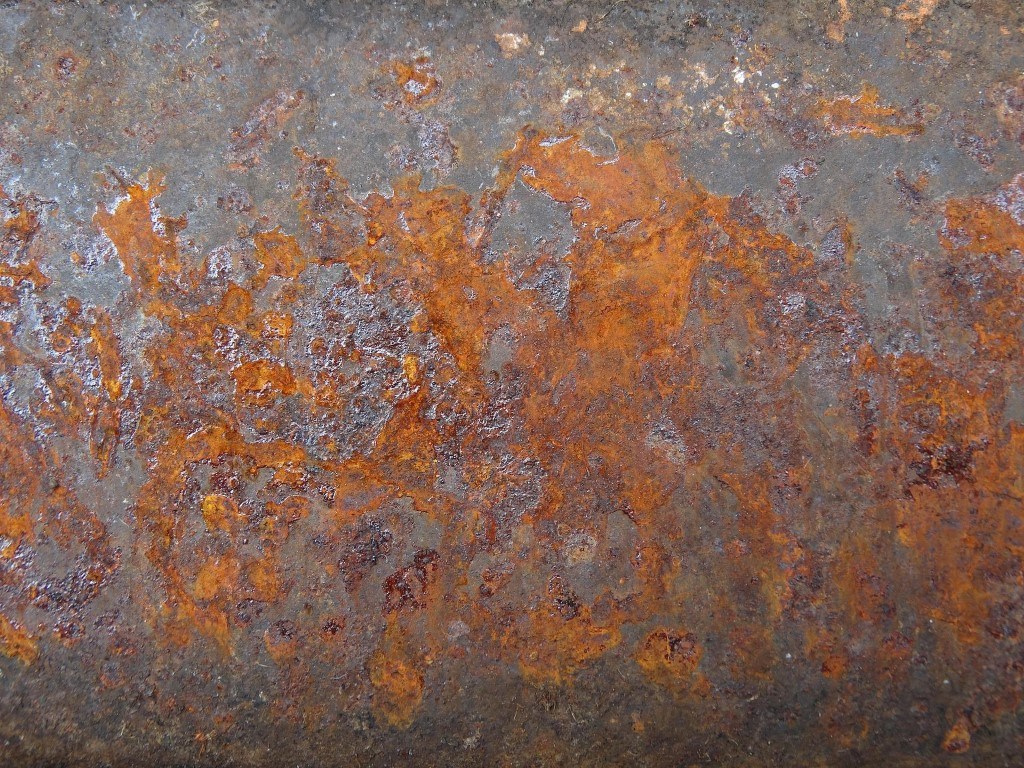
The majority of radiator problems are the consequence of a steady buildup rather than a single catastrophic occurrence. Magnetite rust, corrosion, and obstructions can take years to manifest as problems, resulting in cold patches or a general lack of performance in your heating system.
When combined with regular radiator bleeding, you may keep your radiators operational for many years. Unfortunately, even meticulous maintenance is unlikely to keep your radiator in excellent working order indefinitely. Whether you’re replacing a failed unit or seeking to upgrade for financial reasons, you now have a plethora of alternatives.
Radiators heat the room by using processes known as radiation and convection. A radiator, like a stove or an open fire, uses energy to transmit heat to the air via electromagnetic waves. A radiator’s main heat contribution is by convection. When radiant energy heats the air near a radiator, the hot air rises, drawing cooler air through the radiator and causing the air to move. This movement creates vertical currents that travel throughout a room, taking hot air with them and keeping your house warm.
Corroded metal that has internally broken off and is now resting at the bottom of the radiator is what causes sludge in the radiator, making it ineffective and preventing it from heating up correctly. It may be eliminated most easily by removing the radiator from the wall and flushing it with water. To prevent it from happening again, you might also apply a central heating inhibitor. It could be challenging to fix on your own, therefore we advise hiring an expert to help you.
If your radiators are not reaching the desired temperature, your system probably needs to be balanced. You may be certain that the hot water flowing from your boiler is being distributed equally to each radiator by doing so. If you are unaware of what to do, balancing your radiators may be a difficult problem to handle.
It’s critical to address this issue immediately and effectively since water leaks from radiators can result in significant and costly damage to floors and ceilings. Sometimes, this may be resolved by using a wrench to tighten the nuts on the valve. If the valve is outdated or broken, you might need to replace it entirely in some circumstances.
HOW DO YOU KNOW IF YOUR RADIATOR NEEDS TO BE REPLACED?
 The ability of your radiator to keep coolant flowing through the engine is critical to keeping your engine cool and from overheating. Overheating the engine can cause seals and gaskets to fail, engine oil leaks, and full engine failure.
If you see any warning indications that yours is on its last legs, you should seek the counsel of a professional immediately to avoid additional costly damage; it may be time to install a new radiator.
A person must detect if there is an issue with his or her car, since this may save time and money if a repair is required. A radiator is an essential component of a car that keeps it running smoothly.
It should operate smoothly for a few years if properly maintained. If a car’s radiator fails, it can have a negative influence on the entire vehicle. A radiator keeps an engine cool by eliminating excess heat generated while the vehicle’s engine burns gasoline. If an engine cannot keep cool, it can cause a variety of difficulties, including gearbox failure.
A radiator that is leaking coolant, which might be caused by a fracture, is a frequent symptom that it is failing. If a green liquid is discovered under a car, the radiator should be examined to determine the location of the leak. A pressure test can be performed by a mechanic to discover the source of the leak. If the leak isn’t too severe, a mechanic can repair or replace the broken part.
A radiator pipe might potentially be the source of a readily detected leak. If there is a leak, it is almost certainly in the hoses. A person may check to see if any steam is coming out of the radiator, which can help them locate the leak. To keep a radiator working efficiently, hoses must be replaced on a regular basis.
If rust is prevalent throughout the radiator, it can cause substantial damage to the cooling system. When a particle of rust falls into the engine, it can form a thick liquid when combined with the coolant, preventing the engine from cooling. When this happens, the radiator must be drained in order to remove all of the rusted coolants. When rust and coolant combine, they form a sludge that can cause corrosion.
A radiator works by lowering the amount of coolant in the engine before it cycles through the engine, which can lose efficacy with time. When this happens, the engine runs at a greater temperature than usual.
Over time, this might cause the engine to overheat. In an engine, a thermostat measures the temperature of the coolant. If the temperature rises too high, your gauge will get a notification. If a driver finds that the coolant temperature is too high, he or she should pull over and allow the engine to cool. If an individual continues to drive, the engine may overheat.
In some cases, air might become stuck in the cooling system. If this happens, the coolant will not be able to flow properly, resulting in the coolant not working properly. A mechanic can remove air bubbles that have developed in the cooling system if a vehicle is running hot owing to trapped air.
If a water pump malfunctions, the cooling system will be unable to flow coolant throughout the engine and appropriately regulate the temperature. Water flows through the radiator, into the pump and engine, and then back into the radiator. When the water pump breaks, the car will most likely overheat since the circulation system is no longer working properly. A faulty water pump is a typical cause of radiator troubles.
The cooling pathways will be stopped if there is an obstacle in the cooling system. Radiator problems can develop when the engine and radiator do not receive an adequate flow of coolant. Obstructions can also develop if the airflow through the radiator is obstructed. When air cannot flow through the radiator, the radiator is unable to convey heat to the air effectively.
If you are looking for more advice on central heating upgrades and new boiler installations in the Romford and Essex areas, follow the links below to find out more.