


Many homeowners continue using old boilers simply because they are still working. It is understandable. Replacing a boiler can feel like a major expense, especially if your current system still provides heating and hot water. However, once a boiler reaches around 20 years old, it is usually worth asking whether keeping it running is really the best option financially, practically, and safely.
At J&S Heating, we regularly speak to customers who are unsure whether to repair an ageing boiler or invest in a replacement. In many cases, older systems become increasingly unreliable, inefficient, and expensive to maintain over time. While some older boilers were built to last, modern heating technology has improved significantly over the past two decades.
In this guide, we explain the advantages and disadvantages of replacing a 20 year old boiler, what warning signs to look out for, and how a new heating system could benefit your home.
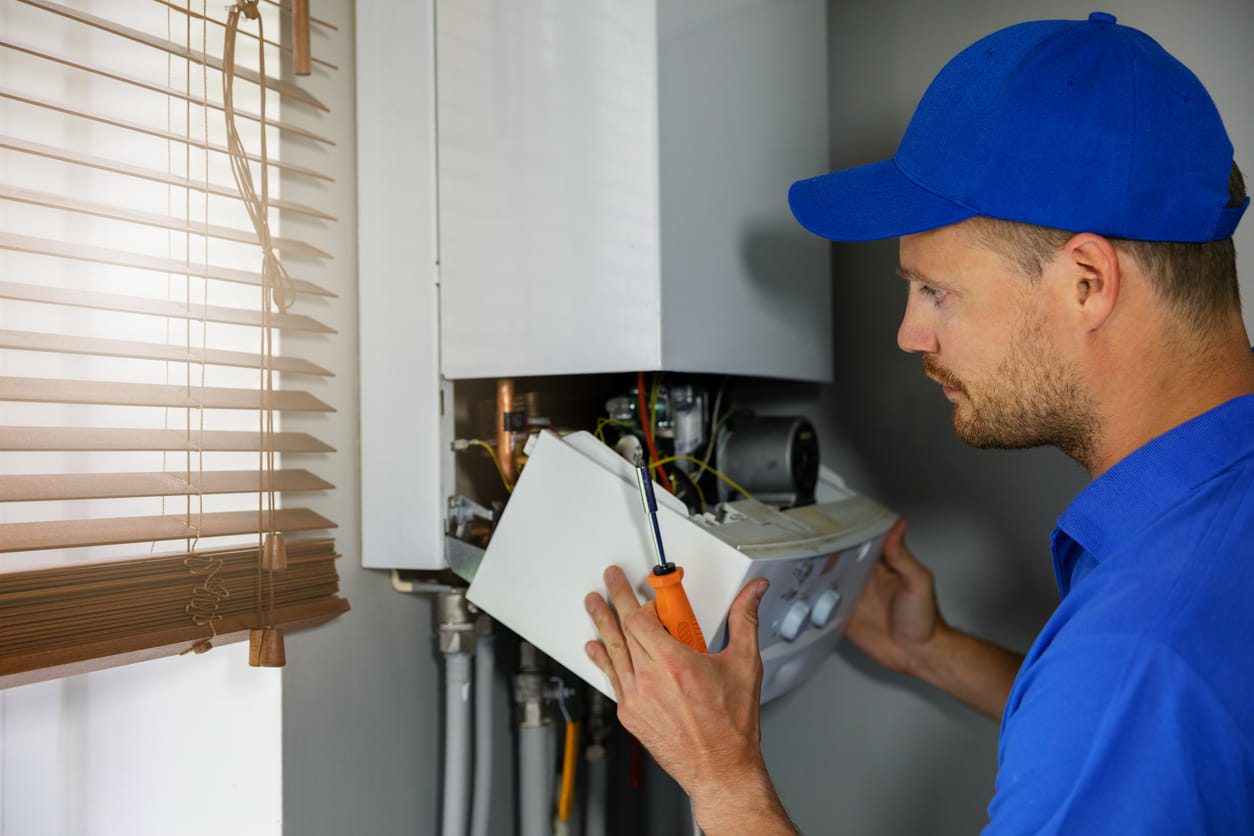
How Efficient Is a 20 Year Old Boiler?
One of the biggest reasons homeowners choose to replace older boilers is energy efficiency.
Boilers installed 20 years ago were far less efficient than modern systems available today. Many older boilers operate at efficiency levels between 60% and 75%, meaning a significant amount of energy is wasted during operation.
Modern condensing boilers are designed to achieve efficiency ratings above 90%. This means much more of the energy used is converted into usable heating and hot water.
To put this into perspective, an older boiler could waste around 30p or more from every £1 spent on heating. Over the course of a year, this can add a substantial amount to your energy bills.
Replacing an old boiler with a modern energy-efficient model may help reduce:
- Monthly heating costs
- Gas usage
- Carbon emissions
- Overall energy waste
For many households, the long-term savings on energy bills help offset the initial installation cost.
Older Boilers Often Cost More to Repair
As boilers age, components naturally wear down. Seals deteriorate, pumps weaken, heat exchangers corrode, and electrical parts become less reliable.
A 20 year old boiler may begin developing faults more frequently, especially during periods of heavy use in winter.
Many homeowners reach a point where they are repeatedly paying for repairs throughout the year. While individual repairs may seem manageable at first, the costs can quickly add up.
At J&S Heating, we often advise customers to consider replacement when:
- Repairs become increasingly frequent
- Replacement parts are difficult to source
- Repair costs continue rising
- Reliability becomes poor
- The boiler regularly breaks down during colder weather
In some cases, parts for older boilers are no longer manufactured, making repairs far more complicated and expensive.
Reliability Becomes a Bigger Concern
Even if an older boiler still works, reliability often becomes unpredictable after two decades of use.
Many customers tell us they have started worrying every winter about whether the boiler will survive another cold spell. Others notice increasing problems such as:
- Strange noises
- Pressure loss
- Inconsistent heating
- Hot water fluctuations
- Pilot light issues
- Delayed ignition
- Radiators not heating evenly
These problems can become frustrating, particularly for families who rely heavily on consistent heating and hot water.
Replacing an ageing boiler can provide peace of mind that your heating system is dependable, especially during winter when breakdowns are most inconvenient.
Modern Boilers Offer Better Heating Control
Heating technology has improved dramatically over the past 20 years.
Many older boilers operate with very basic controls, often making it difficult to manage temperatures efficiently throughout the home.
Modern systems can offer:
- Smart thermostats
- Zoned heating controls
- Improved timer functions
- Weather compensation
- Better temperature accuracy
- Remote heating control through mobile apps
These features can help homeowners improve comfort while reducing unnecessary energy usage.
At J&S Heating, we regularly install systems that allow customers to control heating far more efficiently than older setups ever allowed.
New Boilers Are Usually Quieter
Older boilers often become noisier as components wear down. Banging, vibrating, whistling, and humming sounds are common signs of ageing systems.
Modern boilers are designed to operate far more quietly. Many homeowners are surprised by the difference after replacing an old system.
A quieter boiler can make a noticeable improvement, particularly in smaller homes or properties where the boiler is located near living areas or bedrooms.
Safety Is Another Important Factor
Safety should never be overlooked when considering an older boiler.
While many old boilers remain safe if properly maintained, ageing components can increase risks over time. Corrosion, ventilation issues, and worn seals may create problems that are not always immediately visible.
Regular boiler servicing is essential for older systems, but there comes a point where replacement may simply be the safer option.
Potential risks associated with ageing boilers include:
- Carbon monoxide leaks
- Gas leaks
- Faulty ventilation
- Incomplete combustion
- Increased risk of breakdowns
At J&S Heating, all of our work is carried out by Gas Safe registered engineers who can properly assess whether a boiler remains safe and economically viable to maintain.
What About the Cost of Replacement?
One of the main reasons people delay replacing an old boiler is the upfront cost.
There is no denying that installing a new boiler requires investment. However, it is important to look at the bigger financial picture rather than focusing only on the installation price.
A new boiler may help reduce costs through:
- Lower energy bills
- Fewer repairs
- Improved reliability
- Better warranty protection
- Increased property appeal
Many modern boilers also come with lengthy manufacturer warranties, sometimes lasting up to 10 years when installed and serviced correctly.
This can provide reassurance that unexpected repair costs will remain minimal for many years.
Is It Better to Replace a Boiler Before It Fails?
In many cases, yes.
Waiting until a boiler completely fails can create several problems. Emergency breakdowns often happen during winter when heating engineers are busiest and demand for repairs is highest.
A sudden failure may leave you without:
- Heating
- Hot water
- Access to replacement parts
- Time to properly research your options
Planning a replacement before total failure allows you to:
- Compare boiler models carefully
- Choose the best installation date
- Avoid emergency costs
- Prepare financially
- Upgrade your heating system properly
At J&S Heating, we often recommend considering replacement if a boiler is becoming unreliable rather than waiting for a complete breakdown.
Older Boilers May Not Meet Modern Heating Demands
Many homes have changed significantly over the past 20 years.
You may have added:
- Additional bathrooms
- Larger radiators
- Extensions
- Underfloor heating
- More occupants
A boiler installed decades ago may no longer be capable of efficiently meeting your current heating and hot water demands.
Modern boilers are designed to deliver better performance for today’s households, particularly where water usage has increased.
Environmental Benefits of a New Boiler
Energy efficiency is not only about saving money. Modern boilers also help reduce environmental impact.
A newer boiler uses less fuel to produce the same amount of heating and hot water. This means lower carbon emissions and improved energy efficiency overall.
For homeowners trying to reduce household energy consumption, replacing an inefficient boiler can be a practical step in the right direction.
Signs It May Be Time to Replace Your Boiler
If your boiler is around 20 years old, there are several signs that may indicate replacement is worth considering:
Frequent Breakdowns
Repeated repairs often become more expensive than replacement over time.
Rising Energy Bills
Older boilers waste far more energy than modern systems.
Strange Noises
Banging, kettling, vibrating, or whistling can indicate internal wear.
Difficulty Finding Parts
Many older boilers use discontinued components.
Uneven Heating
Cold radiators or inconsistent temperatures may suggest poor performance.
Visible Corrosion or Leaks
External signs of wear can indicate serious internal deterioration.
Poor Hot Water Performance
Inconsistent temperatures or weak hot water supply may point to declining efficiency.
Choosing the Right Replacement Boiler
If you decide to replace your old boiler, choosing the right new system is essential.
At J&S Heating, we help customers select boilers based on:
- Property size
- Number of bathrooms
- Hot water demand
- Existing heating system
- Budget
- Energy efficiency goals
We regularly install trusted manufacturers including:
- Worcester Bosch
- Vaillant
- Ideal
- Viessmann
- Baxi
Our experienced engineers can explain the differences between models and recommend the best option for your home.
Is it worth Replacing a 20 Year Old Boiler?
So, is it worth replacing a 20 year old boiler?
In most cases, the answer is yes.
While some older boilers may continue operating, they are usually far less efficient, more expensive to run, and increasingly unreliable compared to modern systems. Rising repair costs, poor efficiency, and the risk of breakdowns often make replacement the more sensible long-term decision.
A new boiler can improve comfort, lower energy bills, provide better heating control, and reduce the stress that often comes with maintaining an ageing system.
At J&S Heating, we provide honest advice and professional boiler installations tailored to each customer’s property and budget. If your boiler is approaching 20 years old and you are unsure whether it is time for an upgrade, our experienced team can assess your current system and help you make an informed decision.
Contact J&S Heating today to discuss your heating requirements and arrange a quotation for a new boiler installation.