

Gas remains a primary energy source for many UK businesses. It heats offices, powers hot water systems, supports industrial processes, and keeps staff and customers comfortable. Rising energy costs and increasing environmental pressure mean that reducing gas usage has become a priority for many organisations. The challenge is achieving this without creating cold, uncomfortable spaces or disrupting daily operations.
This guide explains practical, realistic ways businesses can reduce gas consumption while maintaining comfort, productivity, and compliance.
Why reducing gas usage matters for businesses
Gas costs represent a significant portion of operating expenses for many commercial properties. Inefficient systems, poor building fabric, and outdated controls can cause unnecessary energy waste. Reducing gas usage helps businesses:
- Lower energy bills and operating costs
- Improve comfort for staff and customers
- Reduce carbon emissions
- Prepare for future regulatory changes
- Improve environmental credentials
Many improvements deliver quick returns and do not require major system changes.
Understand where gas is being used
Before making changes, businesses need a clear understanding of how gas is currently used. Gas typically supports:
- Space heating
- Hot water production
- Catering and kitchen equipment
- Industrial or process heating
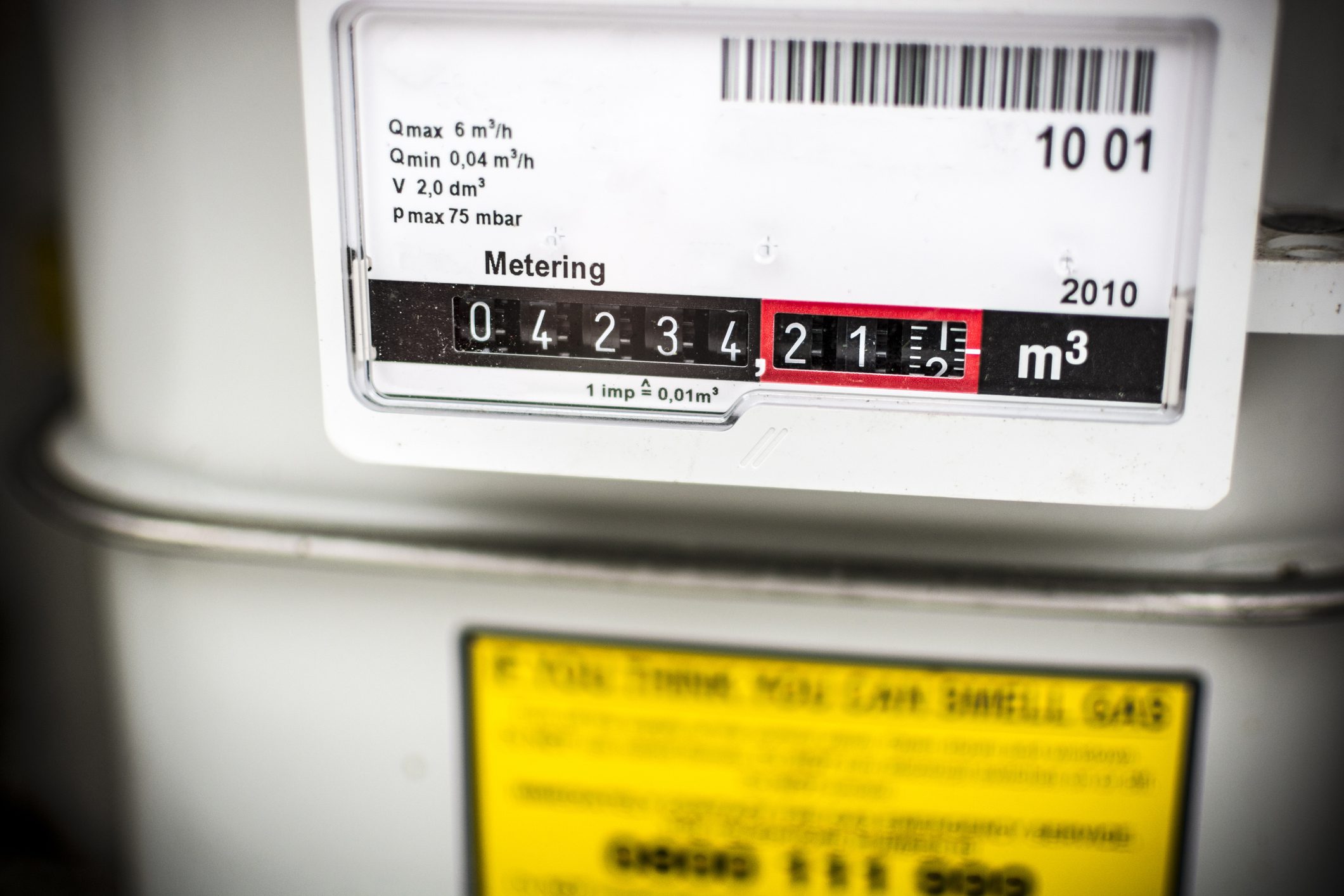
Reviewing gas bills, meter readings, and usage patterns highlights inefficiencies. Smart meters and energy monitoring systems provide real-time data, helping businesses identify peaks, wastage, and abnormal consumption.
Improve heating system efficiency
Heating systems account for the majority of gas use in most commercial buildings. Improving efficiency here delivers the biggest savings.
Regular boiler servicing ensures systems operate safely and efficiently. Poorly maintained boilers burn more gas and struggle to meet heating demand.
Upgrading older boilers can significantly reduce gas consumption. Modern condensing boilers recover heat that older systems waste, improving efficiency without reducing comfort levels.
Correct system sizing also matters. Oversized boilers cycle inefficiently and waste energy. A professional assessment ensures heating output matches actual building demand.
Optimise heating controls
Heating controls play a critical role in reducing unnecessary gas usage.
Many commercial buildings heat spaces when they are unoccupied or overheat areas that do not require high temperatures. Improving control strategy helps avoid this waste.
Key improvements include:
- Zoned heating controls to heat occupied areas only
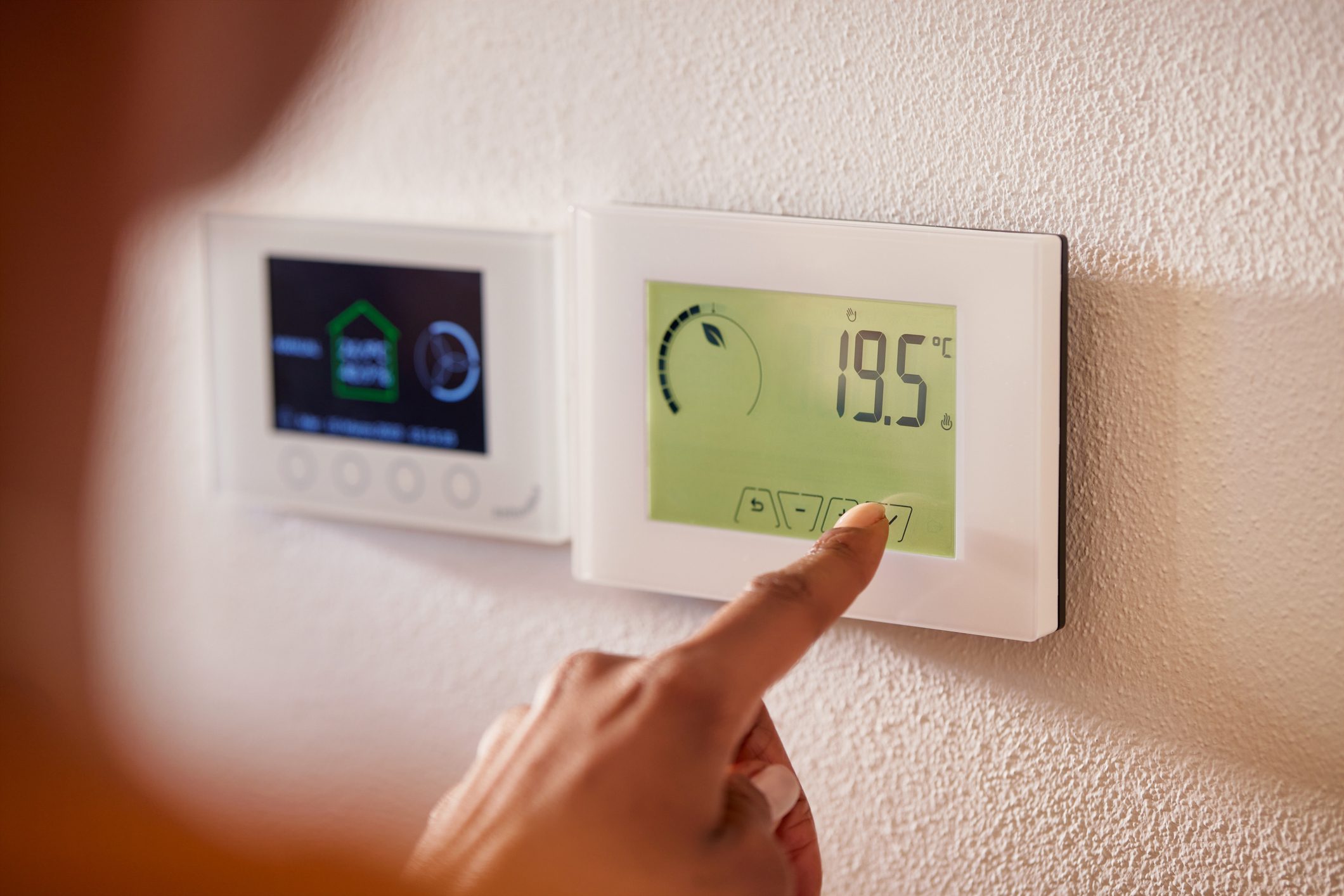
- Programmable thermostats aligned with operating hours
- Weather compensation to adjust output based on external temperature
- Optimum start and stop controls to prevent early heating
Small adjustments to control settings often deliver immediate savings without affecting comfort.
Improve building insulation and fabric
Heat loss forces heating systems to work harder. Improving insulation reduces demand without changing internal temperatures.
Areas to focus on include:
- Roof and loft insulation
- Wall insulation where practical
- Draught proofing around doors and windows
- Sealing gaps around service penetrations
Simple measures such as door closers, thermal curtains, and draught excluders can reduce heat loss in high-traffic areas.
Improved building fabric benefits both heating efficiency and occupant comfort.
Use heat recovery systems
Many businesses generate waste heat through processes, ventilation systems, or equipment. Heat recovery systems capture this heat and reuse it.
Examples include:
- Heat recovery ventilation systems
- Flue gas heat recovery on boilers
- Process heat reuse in industrial settings
By reclaiming wasted heat, businesses reduce the amount of gas required to maintain temperatures.
Maintain correct ventilation balance
Ventilation is essential for air quality, but excessive ventilation increases heating demand.
Balancing ventilation ensures fresh air without unnecessary heat loss. Demand-controlled ventilation systems adjust airflow based on occupancy and indoor air quality.
Simple changes such as repairing broken vents, ensuring doors close properly, and avoiding constant window opening during winter can also reduce gas usage.
Upgrade hot water systems
Hot water production is another major gas consumer, particularly in hospitality, healthcare, and leisure sectors.
Reducing gas usage involves:
- Insulating hot water pipes and storage tanks
- Fixing leaks promptly
- Installing thermostatic mixing valves
- Using time controls to prevent heating water when not required
Low-flow taps and water-saving fixtures reduce hot water demand without affecting user comfort.
Review kitchen and catering equipment
Commercial kitchens rely heavily on gas. Older appliances often consume more gas than necessary.
Upgrading to modern, efficient equipment can reduce usage significantly. Regular cleaning and maintenance also improve efficiency by ensuring burners and heat exchangers operate correctly.
Staff training plays an important role. Simple actions such as turning equipment off when not in use and using lids on pans reduce gas consumption without affecting service quality.
Improve staff awareness and behaviour
Behavioural change supports technical improvements.
Many businesses waste gas through simple habits such as:
- Leaving heating on overnight
- Blocking radiators
- Heating unused rooms
- Running hot water unnecessarily
Clear guidance, signage, and regular communication help staff understand how their actions affect energy use. Appointing energy champions encourages accountability and long-term improvement.
Consider hybrid heating solutions
Hybrid systems combine gas heating with alternative technologies such as heat pumps. These systems prioritise low-carbon heating when conditions allow and use gas only when needed.
Hybrid solutions maintain comfort while reducing gas consumption and carbon emissions. They also provide flexibility during colder periods when heat pump efficiency drops.
Monitor and maintain performance
Reducing gas usage is an ongoing process, not a one-off project.
Regular monitoring ensures systems continue to perform efficiently. Key actions include:
- Tracking monthly gas usage
- Reviewing control settings seasonally
- Scheduling preventative maintenance
- Responding quickly to faults
Performance reviews help businesses identify new opportunities for savings as usage patterns change.
Stay compliant with gas safety requirements
Any changes to gas systems must comply with gas safety regulations. All work must be carried out by Gas Safe registered engineers.
Reducing gas usage should never compromise safety. Regular inspections and servicing protect occupants while supporting efficient operation.
Financial incentives and support
Some energy efficiency improvements may qualify for financial support or tax relief. Businesses should explore available schemes, grants, and incentives related to energy efficiency and carbon reduction.
Professional energy assessments often highlight cost-effective improvements with short payback periods.
Long-term benefits of reducing gas usage
Reducing gas consumption delivers benefits beyond immediate cost savings. Businesses that improve energy efficiency often experience:
- Improved working environments
- Fewer heating complaints
- Reduced maintenance issues
- Stronger sustainability credentials
- Better resilience against energy price volatility
These advantages support long-term business performance and reputation.
Final thoughts
Businesses do not need to sacrifice comfort to reduce gas usage. Through smarter controls, better maintenance, improved insulation, and informed staff behaviour, significant savings are achievable.
A structured, professional approach ensures gas systems remain safe, efficient, and fit for purpose while supporting financial and environmental goals.