
We look at common problems with commercial boilers. J & S Heating Ltd offer temporary commercial boiler hire throughout Essex, London and UK Wide. Find out how to prevent commercial boiler issues and the most common commercial gas boiler faults.
THE COMMERCIAL BOILER AND ITS FUNCTIONS
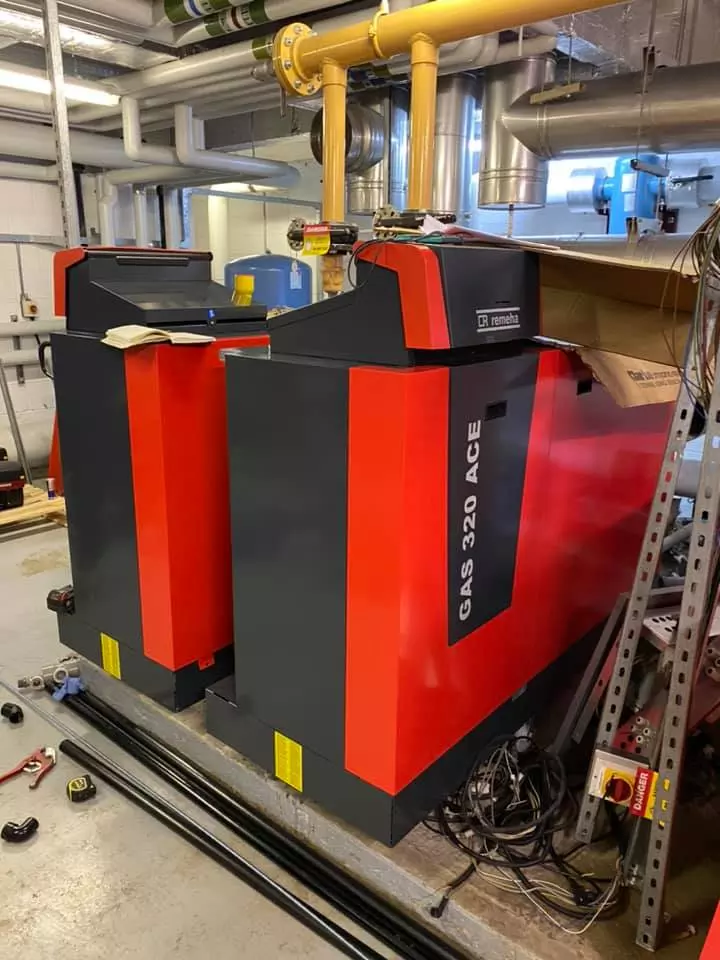
Commercial boilers are robust pressurised systems designed to generate heat by using electricity or burning fuel to heat water. They play a vital role in providing heating for larger buildings and ensuring efficient energy usage. When a commercial boiler malfunctions, prompt action is necessary to restore its function.
Timely repairs or maintenance are crucial to avoid disruptions in heating and hot water supply, minimising the impact on businesses and commercial properties. These heavy-duty boilers are essential for creating a comfortable and productive environment, delivering the required heat and hot water to meet the demands of the building’s occupants.

MOST COMMON COMMERCIAL GAS BOILER FAULTS
Commercial boilers are crucial for providing heat and hot water in commercial premises. However, like any complex system, they can experience faults and issues that require attention. Here are the most common faults encountered with commercial gas boilers:
BANGING OR WHISTLING NOISES
If you hear banging, bubbling, or whistling noises coming from your commercial boiler, it could indicate a serious problem. These noises may be caused by limescale buildup inside the appliance or low pressure within the system.
It is essential to have a professional examine the boiler to ensure its safe operation and determine the underlying issue. Prompt action can prevent further damage and potential breakdowns.
UNEVEN HEAT PRODUCTION & DISTRIBUTION
Uneven heat production and distribution can lead to noticeable temperature differences in different areas of your workplace. Certain areas may have cold spots, while others may be excessively warm, causing discomfort for occupants.
This issue can often be rectified by adjusting the settings of the zone control systems in each area. Zone control systems allow you to divide your heating system into different zones, enabling customised temperature control for each area.
The optimal settings will vary depending on factors such as the layout, design, and additional features of your workplace. For instance, if one section of your office space is carpeted, while other sections have hardwood flooring, the zone control systems in each location should be adjusted accordingly.
Carpeted environments typically require less heat compared to non-carpeted areas. Consult with a heating engineer or commercial boiler specialist to evaluate your heating system and recommend adjustments to achieve a more balanced and comfortable heating environment.
LOW PRESSURE IN THE SYSTEM
Significantly lower boiler pressure than the normal range of 1-2 indicates a possible leak in the system. Leaking pipes, unsecured valves, or faulty components can result in steam loss and lower system pressure.
It is advisable to contact a reputable commercial boiler servicing company to assess the situation. Their experts can conduct tests to identify and rectify the cause of the pressure loss, such as repairing or replacing faulty parts.
WATER LEAKING FROM THE BOILER
Constant dripping or leakage from the boiler indicates a problem within the tank. This could be due to corrosion of the pipework or broken valves and seals. While condensation may be a possible cause, it is important to address the issue promptly to prevent further damage.
Placing a large bowl under the source of the leakage and contacting a qualified commercial boiler engineer for service and repair is recommended. They can thoroughly inspect the boiler, identify the cause of the leakage, and carry out necessary repairs.
LEAKING FLUIDS
Discovering leaking fluids from your commercial boiler system is never a good sign. If you notice water leaking directly from the boiler tank, it is a strong indication of severe corrosion inside the tank. Corrosion can occur over time due to factors such as age, poor water quality, or lack of maintenance.
In such cases, replacing the hot water tank is usually the only viable solution. While it may not be the most cost-effective option, it is necessary to prevent further damage and ensure the safe operation of the boiler.
It is crucial to consult with a qualified heating engineer or commercial boiler specialist to assess the situation and determine the best course of action. However, if the leak is due to condensation or issues with the pressure relief valve or expansion tank, repairs can often be done more affordably. A professional inspection and repair can identify and rectify the problem to prevent further leaks and ensure the optimal functioning of the system.
LACK OF HEAT OR ONLY LOW TEMPERATURE
When your taps or showers produce no heat or only lukewarm water, it indicates a fault with your commercial boiler. Blocked burners, malfunctioning ignition or pump, and thermostat issues can be the culprits. Attempting to clean blocked burners yourself is not advisable due to the potential fire hazard.
Instead, it is essential to have the boiler examined by a professional. They can diagnose the specific problem and perform the necessary repairs or replacements to restore proper heating functionality.
AUTOMATIC BOILER SHUTOFF
Experiencing frequent automatic boiler shutdowns or a boiler that fails to turn on can be frustrating and disruptive to your operations. Several factors can cause this issue.
A malfunctioning or broken thermostat could provide inaccurate temperature readings or fail to provide any readings at all, leading to incorrect heating control.
Loss of air pressure within the system can trigger automatic boiler shutdowns as a safety measure. A damaged pump or blockages in the valve can also result in automatic shutoff.
If you encounter these problems, it is advisable to schedule a service appointment with an experienced HVAC and heating system expert. They have the expertise to accurately diagnose and resolve the problem.
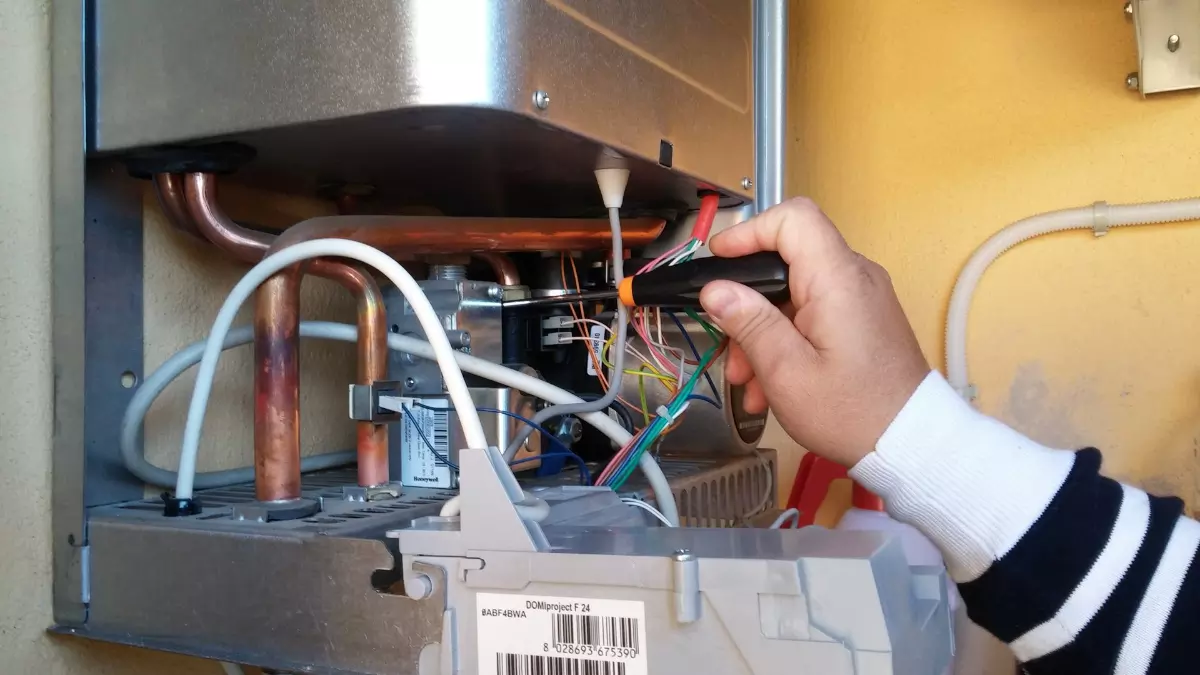
The technician will examine the thermostat, check the air pressure, inspect the pump and valves, and clear any blockages if necessary. The prompt professional intervention will help restore the proper functioning of your boiler system, ensuring reliable heat and hot water supply for your workplace.
By promptly addressing these common faults in commercial gas boilers, you can minimise disruptions, prevent further damage, and ensure the optimal operation of your heating system. Regular maintenance and inspections by qualified professionals are essential to identify and prevent these issues before they escalate.
Investing in professional servicing and adhering to recommended maintenance schedules will help prolong the lifespan of your commercial boiler, improve its energy efficiency, and minimise the risk of unexpected breakdowns. Remember, always consult with a certified heating engineer or commercial boiler specialist for proper assessment and repair of your commercial gas boiler system.
UNEVEN HEAT DISTRIBUTION
If certain areas of your commercial premises are noticeably colder than others, there may be faults in the pipework or radiators. Bleeding air from radiators can help restore even heat distribution. To do this, turn off the boiler, open the bleed valve on the radiator, and release the air until water flows out.
Additionally, consider factors such as different types of flooring in various areas, as they may require different heating levels. Adjust the heating controls or zoning accordingly to ensure balanced heat distribution throughout the premises.
HOW TO PREVENT COMMERCIAL BOILER ISSUES
Maintaining the optimal operation of your commercial boiler system is vital for the comfort and satisfaction of your business, employees, and customers. By taking proactive measures, you can prevent boiler issues and save money in the long run. Here are key steps to prevent common commercial boiler issues:
Schedule Routine Maintenance: Regular maintenance appointments with qualified professionals ensure the efficient operation of your commercial boiler system. Inspections, cleanings, and tune-ups help identify and address potential issues before they escalate.
Insulate Pipes: Proper insulation of the hot water supply and return pipes prevents heat loss, improves energy efficiency, and protects against freezing. Insulating the pipes reduces energy costs and enhances overall system performance.
Regularly Turn On The Boiler: Even during non-heating periods, periodically turn on your commercial boiler to prevent component seizing. The daily operation helps detect irregularities and enables timely intervention.
Perform Visual Checks: Regularly inspect the area surrounding the boiler for leaks, corrosion, and damage. Look for water puddles, rust, or unusual odours. Early detection and addressing of issues prevent further damage.
Schedule Annual Checkups: Arrange annual checkups with qualified technicians to evaluate the overall health and functionality of your commercial boiler system. Inspections, tests, and pressure/temperature verifications ensure optimal operation.
By following these preventative measures and investing in regular maintenance, you can prolong the lifespan of your commercial boiler system, minimise unexpected breakdowns, and optimise energy efficiency. Certified professionals can provide the necessary care and attention for reliable performance. Prioritising preventative maintenance saves time, and money, and ensures a comfortable environment for all.
Is your commercial boiler out of service? Do you need a temporary boiler replacement? If you are looking for commercial boiler hire in the Romford and Essex areas, follow the links below to find out more. We can provide boiler hire throughout the UK.