

Commercial plant room maintenance in the UK is the planned inspection, servicing, and optimisation of all core mechanical and heating systems that serve larger buildings. Proper maintenance will keep your heating, hot water, and building services efficient, safe, and within the law. It also reduces the risk of breakdown, extends plant lifespan, and preserves operational reliability for every sector—from schools and offices to hospitals and retail premises. This guide explains why maintenance matters, outlines specific facility manager duties, details regulatory requirements, and helps you compare maintenance providers for your building.
Why Commercial Plant Room Maintenance Matters
Every commercial facility depends on its plant room for heating, hot water, and system control. If maintenance falls behind, faults, breakdowns, and safety risks become much more likely. Unplanned failures can disrupt business, affect building users, and, in serious cases, create legal liabilities for those responsible. Regular planned preventative maintenance (PPM) minimises these risks, cuts running costs, and meets insurance or inspection requirements.
In a UK context, guidance from the Health and Safety Executive (HSE), CIBSE, and manufacturers all stress that scheduled checks, cleaning, and system optimisation are expected practice for dutyholders. Issues left unchecked will typically escalate—from minor inefficiencies to total breakdowns, or even compliance failures that put staff and building users at risk.
The Responsibilities of Facility Managers and Dutyholders
Facility managers and building duty holders hold legal and practical responsibility for plant room maintenance and record-keeping. Even if technical repairs are outsourced, you must ensure:
- Maintenance checks are planned, completed and logged according to legal and manufacturer requirements.
- All statutory testing (including gas safety, pressure systems and controls inspections) are carried out at appropriate intervals.
- Documentation is up-to-date, accessible, and ready for auditor inspection or regulatory visits.
- Action is taken when warning signs or incidents occur—minor faults are not ignored, and any problem that presents a risk to people, property or business continuity is escalated quickly.
- Contractors are suitably qualified (for example, Gas Safe registered for any gas work).
Regulations such as the Gas Safety (Installation and Use) Regulations 1998, Pressure Systems Safety Regulations 2000 (PSSR), and Provision and Use of Work Equipment Regulations 1998 (PUWER) all set standards for plant safety, maintenance and inspection frequency. Failing in these duties can result in prosecution, fines, or invalidated insurance if things go wrong.
Key Systems in a Commercial Plant Room and Their Common Issues
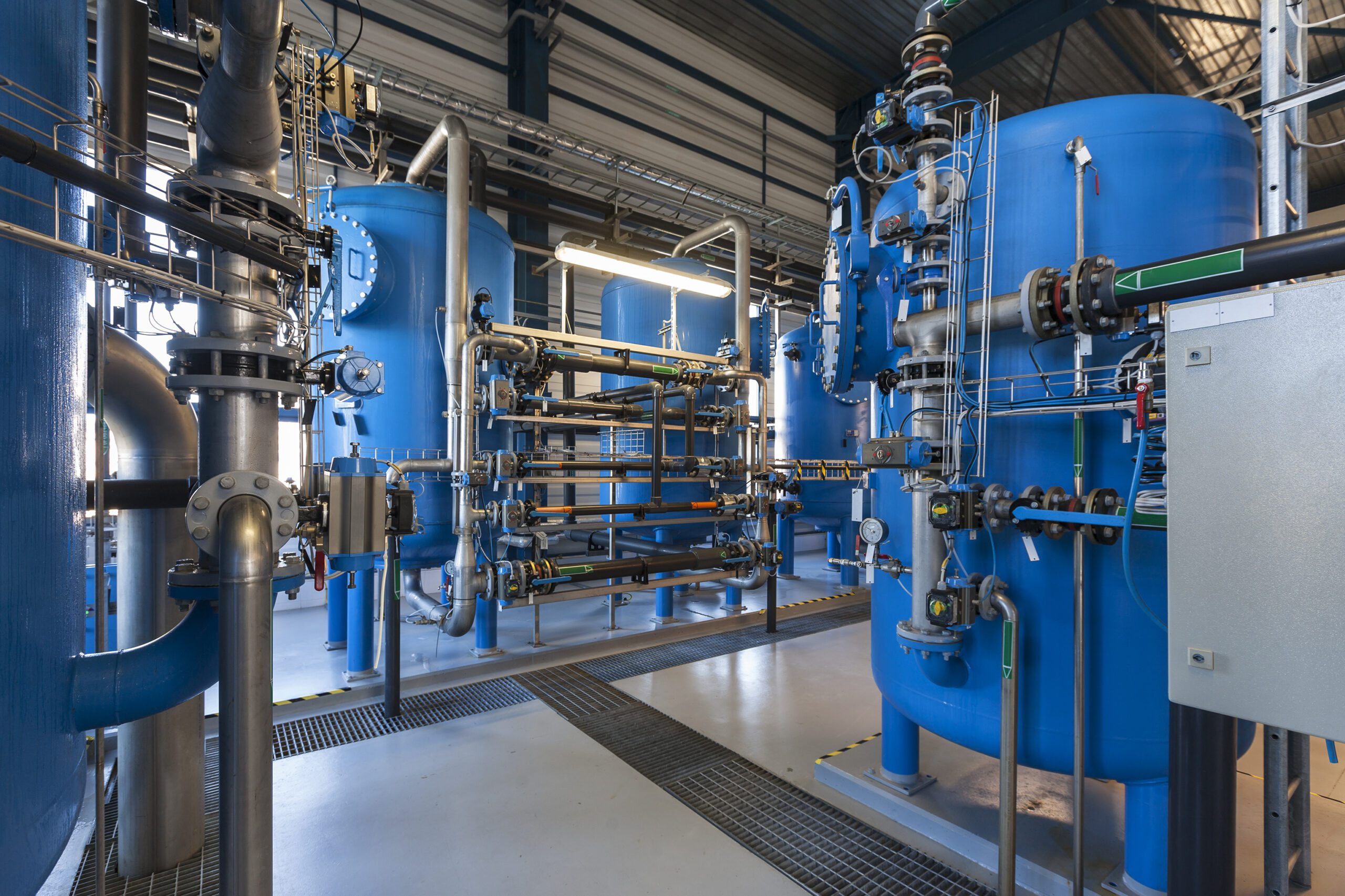
Plant room equipment varies between buildings, but nearly all UK sites will feature some combination of:
- Boilers and Heating Equipment
Commercial gas or electric boilers provide warmth and hot water. Common risks include leaking seals, flue gas build-up, unreliable ignition, or limescale and sludge build-up in heat exchangers. - Pumps and Pressurisation Units
These maintain water flow and pressure in heating circuits. Failures typically mean loss of heating, noisy operation, or leaks—often caused by worn seals or blocked filters. - Controls and Building Management Systems (BMS)
Automated or remote systems control heating, hot water, ventilation and energy efficiency. Sensor failure, communication errors, or outdated firmware can lead to control loss and unexpected downtime. - Water Hygiene Systems
Wherever water is stored or circulated, managing the risk of legionella and other bacteria is a legal requirement. Issues include incorrect temperatures, biofilm build-up, or insufficient dosing. - Electrical Systems and Panels
Safety depends on correct fuse ratings, earthing, and protection from short-circuit or overload. Faults risk downtime, overheating, and, in rare cases, fire. - Ventilation and Extraction
Essential for air quality and safe operation of combustion equipment. Obstructions or fan failures can cause carbon monoxide build-up and dangerous atmospheric conditions.
Neglect or insufficient servicing compounds both safety and efficiency risks over time. Every plant room should have clear, up-to-date system diagrams, service records, and fault logs, maintained in a way that can be understood and used by both on-site and visiting engineers.
Planned Preventative Maintenance (PPM): scope and tasks
PPM should include scheduled system checks at intervals recommended by manufacturers and UK standards, with more frequent checks on critical or high-use equipment. A typical PPM regime includes:
- Inspection and functional testing of boilers, pumps, and controls.
- Safety device testing (e.g., pressure relief valves, interlocks).
- Cleaning or replacement of filters, strainers, and air vents.
- Monitoring for leaks, corrosion, limescale, overheating, or blockages.
- Reviewing operational data and BMS alarms.
- Ensuring water hygiene tasks (such as legionella checks) are up-to-date.
- Logging all findings, signed by a qualified engineer.
Where faults are identified, minor repairs can often be made during the same visit. For more significant or safety-related defects, a clear escalation process must be in place.
Legal Compliance: What British Regulations Require
Several UK-specific regulations set minimum legal standards for commercial plant room maintenance:
Gas Safety (Installation and Use) Regulations 1998:
All gas appliances, pipework and flues must be maintained in a safe condition. Annual testing by a Gas Safe registered engineer is the minimum legal standard for boilers.
Pressure Systems Safety Regulations 2000 (PSSR):
Any sealed heating or hot water systems operating above 0.5 bar require written schemes of examination and regular inspection.
Electricity at Work Regulations 1989:
All electrical plant and controls must be maintained to prevent danger.
Provision and Use of Work Equipment Regulations 1998 (PUWER):
All equipment must be kept in efficient, working order, with planned maintenance schedules appropriate for usage and criticality.
HSE Approved Codes of Practice (ACOPs):
Guidance such as HSG274 (water hygiene) and L8 (legionella control) make regular inspection of plant, pipework and storage tanks mandatory where risk exists.
Crucially, it is your responsibility as dutyholder or facility manager to evidence compliance—by showing maintenance records, risk assessments, and certification on request from inspectors, auditors, or insurers.
Comparing Providers: What to Look for in a Maintenance Contract
Choosing a commercial plant room maintenance provider in the UK is partly about technical skill—but just as much about reliability, compliance, and transparency. Compare:
- Qualifications and Accreditations: Ensure engineers are Gas Safe Registered for gas work and trained in relevant British Standards (such as BS 6644 for industrial and commercial boilers).
- Scope of Service: Does the contract include all vital checks, emergency call-outs, and compliance documentation, or are extras charged separately?
- Response Times and Emergency Cover: Does the provider offer 24/7 emergency response? How quickly will they attend if there’s a breakdown or safety risk?
- Experience With Your System Types: Are they familiar with your specific boiler brands, BMS, pressurisation units, and water hygiene systems?
- Documentation: Will you receive compliant, clear job sheets and logs after every visit, ready for audit?
- Customer References: Do they provide case studies or testimonials from UK businesses of similar type and size?
Price is important, but beware of unusually cheap offers—they often exclude key compliance checks or use less qualified personnel, resulting in risk if a problem arises later.
For a detailed overview of the commercial boiler and plant room services available, or if your business operates in London or Essex, see J & S Heating’s main commercial boiler services for further details, including commercial boiler installation in London and boiler installation in Essex.
What Drives the Cost of Commercial Plant Room Maintenance?
Several factors determine both the one-off and annual cost of maintaining a commercial plant room:
- Complexity and Scale of Equipment
Larger, multi-boiler systems, or plant rooms with BMS integration, generally cost more to inspect and maintain. - Frequency of Visits
Critical buildings with high occupancy—such as hospitals or schools—may require more frequent scheduled inspections. - Urgency and 24/7 Cover
Packages that guarantee rapid emergency attendance or same-day repairs carry a higher premium. - Compliance Requirements
Sites with high compliance demand (e.g., legionella management, pressure testing) need more thorough documentation and testing, affecting cost. - Condition and Age of Plant
Older or previously neglected plant rooms may require catch-up repairs, cleaning, or remedial works.
A reputable provider will conduct a site survey, assess your current compliance status, and provide a tailored quote.
Planning Your Maintenance: Steps to Take as a Facility Manager
To ensure your building stays compliant and reliable, take these practical steps:
- Book a Compliance Audit:
This will identify gaps in record-keeping, overdue inspections, or areas of legal risk. - Confirm Asset Lists and Manuals:
Ensure the plant room is mapped, assets are labelled, and all technical manuals are accessible. This enables faster fault-finding and transparency in every scheduled visit. - Review Your Service Schedule:
Use manufacturer guidance, legal minimums, and building occupancy to design the right frequency for PPM visits. - Set Up Escalation Procedures:
Staff must know how to document and report faults. For critical safety risks—such as gas leak suspects or failed safety devices—act fast and inform your service provider immediately. - Regularly Review Service Reports:
Use engineer visit logs and maintenance sheets to spot repeated trends—such as recurring pump issues or tripped controls. Address root causes, not only the symptom.
What to Compare When Selecting a Maintenance Provider
For facility managers comparing UK plant room maintenance contracts, key criteria include:
- Contract flexibility—can you adjust frequency or scope as your needs change?
- Is full compliance documentation included as standard?
- Are references and insurance readily available?
- Will you have a dedicated point of contact for both planned and emergency queries?
- Does the proposed plan go beyond box-ticking to truly optimise system efficiency?
If you are comparing commercial plant room maintenance for your site, it is always advisable to seek companies that provide transparent documentation, robust emergency cover, and experience across the full range of modern British commercial plant systems.
When to Escalate Issues
Certain plant faults or failures must be dealt with immediately. Escalate without delay if you notice:
- Unusual noises from boilers or pumps that persist after resets.
- Repeated alarms or lockouts from control systems or BMS.
- Visible leaks or drips from any plant room component.
- Trips or blown fuses in electrical panels.
- Water temperature falling outside safe ranges or irregular hot water supply.
- Any unplanned shutdowns or reduced system capacity.
For non-urgent issues, ensure these are logged at every visit and reviewed—persistent non-critical faults can usually be planned into the next PPM visit.
Guide to Record-Keeping and Documentation
Good documentation protects you as the facility manager and ensures compliance. Maintain:
- A register of all maintenance visits, including reports supplied by servicing companies.
- Copies of certificates and inspection sheets (Gas Safe, pressure systems, legionella checks).
- Asset registers, plant room diagrams, and control system passwords in a secure, accessible location.
This makes passing audits straightforward and helps external engineers work efficiently, reducing disruption to your building.
Why Work with a Professional Maintenance Provider?
While some daily checks (such as monitoring boiler pressure or checking for leaks) can be carried out by trained site staff, most commercial plant room maintenance must be delivered by a qualified, experienced provider. Using a professional ensures:
- All works meet British Standards and manufacturer recommendations.
- Safety devices and compliance-critical equipment are checked and tested to legal standards.
- You receive guidance on system upgrades, energy-saving improvements, and best practice for long-term reliability.
- In case of fault, immediate escalation is handled by people who know your site and plant, rather than a call-centre.
For more on accredited boiler and plant room services in your area, visit J & S Heating’s full commercial boiler offering.
Further Information
If your plant room serves buildings in London, Essex, or the wider South East, and you need expert guidance or a tailored maintenance plan, reach out to J & S Heating. Their engineers are qualified, local, and can provide everything from compliance audits to one-off repairs. Better maintenance is a call or click away.
FAQs:
Q: Do you provide 24/7 emergency cover for commercial plant rooms in London and Essex?
A: Yes. We offer round-the-clock emergency response for contract clients, prioritising sites where heat or hot water loss affects operations or safety.
Q: What is included in a planned commercial plant room maintenance visit?
A: Core checks cover boilers, pumps, safety devices, controls and BMS alarms, filtration and strainers, water temperatures for hygiene, and a written report with actions.
Q: Are your engineers qualified for gas and pressure systems?
A: Our commercial engineers are Gas Safe registered for commercial appliances and trained to work under PSSR requirements with written schemes of examination in place.
Q: Will you supply compliance documentation after each visit?
A: Yes. You receive clear job sheets, certificates where applicable, and a log of remedials to support audits, insurance and HSE inspections.
Q: Can you support BMS and controls as part of maintenance?
A: We can review controls strategy, check sensors and comms, and coordinate with your BMS vendor where firmware or integration changes are required.