

A commercial plant room is at the heart of a building’s heating and hot water system. When it is running properly, most people in the building do not think about it. When something goes wrong, it can quickly affect staff, tenants, customers, guests or residents.
For building managers, facilities teams and landlords, regular plant room maintenance is one of the best ways to reduce breakdowns, keep systems working safely and avoid unnecessary disruption. A well-maintained plant room can also help improve energy efficiency, extend the life of equipment and make it easier to plan repairs before they become urgent.
At J&S Heating, we work with commercial properties across London and understand how important reliable heating and hot water are. In this guide, we share a practical commercial plant room maintenance checklist to help building managers stay on top of key tasks.
What is a commercial plant room?
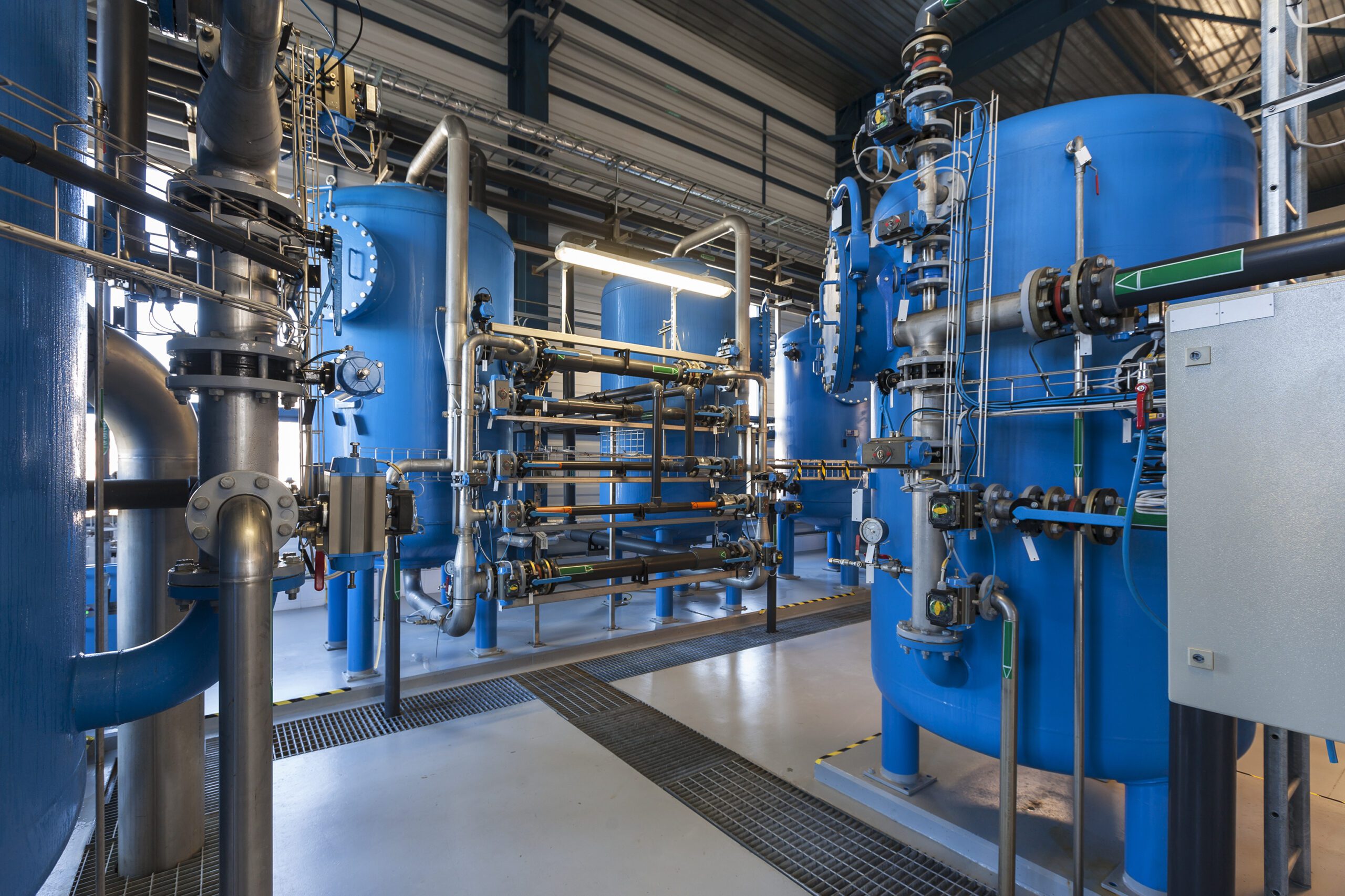
A commercial plant room is a dedicated area that houses key mechanical equipment for a building. This may include commercial boilers, water heaters, pumps, pressurisation units, pipework, controls, cylinders, expansion vessels, valves, flues and ventilation systems.
In larger buildings, the plant room may serve offices, schools, hotels, apartment blocks, retail units, warehouses or healthcare premises. In some cases, one plant room may be responsible for heating and hot water across the whole building.
Because so many systems connect in one space, a plant room should never be ignored. Small faults can spread across the wider heating system, leading to poor performance, higher running costs or complete loss of heating and hot water.
Why plant room maintenance matters
Commercial plant rooms often work harder than people realise. Heating systems may run for long hours, especially during the colder months. Hot water demand can also be high in buildings such as hotels, gyms, care homes, restaurants and residential blocks.
Without regular checks, parts can wear, pressure can drop, pumps can fail and controls can stop working correctly. Dust, leaks, blocked vents or poor access can also cause issues over time.
Regular plant room maintenance helps you:
- Reduce the risk of boiler breakdowns
- Keep heating and hot water systems working safely
- Spot leaks, corrosion and worn parts early
- Improve energy efficiency
- Support compliance and record keeping
- Plan repairs before they become emergencies
- Extend the life of commercial heating equipment
- Keep disruption to a minimum
For many commercial buildings, plant room maintenance is not just a technical task. It is part of keeping the building usable, safe and comfortable.
How often should a commercial plant room be checked?
The right maintenance schedule depends on the size of the building, the age of the equipment, usage levels and the type of system installed.
As a general rule, commercial boilers should be serviced at least once a year by a qualified commercial gas engineer. However, plant rooms in busy or high-demand buildings may need more frequent checks. A hotel, school, care home or block of flats may need planned inspections throughout the year to reduce the risk of downtime.
Building managers should also carry out simple visual checks more regularly. These are not a replacement for professional servicing, but they can help you spot early warning signs.
For example, a quick weekly inspection can help identify leaks, fault codes, unusual noises or changes in pressure. Anything that looks unsafe, damaged or out of the ordinary should be reported to a qualified engineer.
Commercial plant room maintenance checklist
The following checklist gives building managers a useful starting point. Some tasks can be checked visually by a responsible person, while others must only be carried out by a qualified commercial heating engineer.
1. Check the plant room is clean and accessible
A plant room should be kept clean, clear and easy to access. It should not become a storage area for boxes, cleaning products, tools or spare materials.
Blocked access can slow down engineers during a service or emergency callout. It can also create fire risks or make it harder to reach important valves and controls.
Check that:
- Access routes are clear
- Doors open properly
- Lighting works
- Floors are clear of clutter
- No items are stored against boilers or pipework
- Warning signs are visible where needed
- Engineers can safely reach all equipment
If an engineer needs to work around stored items, maintenance can take longer and safety may be affected. Keeping the plant room tidy is one of the simplest ways to support safe operation.
2. Look for signs of leaks
Leaks should never be ignored in a commercial plant room. Even a small leak can point to a bigger issue with pipework, pumps, valves, seals or pressure.
Water in the plant room can also damage equipment, increase corrosion and create slip hazards.
Look for:
- Water on the floor
- Damp patches around pipework
- Drips from valves
- Corrosion marks
- Staining below joints
- Reduced system pressure
- Unusual topping up of the system
If you notice signs of a leak, arrange for an engineer to inspect it. A small repair may prevent a larger breakdown later.
3. Check boiler pressure and system pressure
Pressure problems are common in commercial heating systems. Low pressure can stop a boiler from working properly, while high pressure can place strain on components.
Building managers should know the normal operating pressure for the system. If pressure readings change regularly or sit outside the expected range, it may mean there is a leak, faulty expansion vessel, issue with the pressurisation unit or another system fault.
Check that:
- Pressure readings are within the expected range
- Pressure does not drop repeatedly
- The pressurisation unit is working correctly
- There are no visible leaks
- Warning lights or fault codes are not showing
Do not keep topping up a system without finding out why pressure is being lost. Repeated pressure loss is a sign that something needs attention.
4. Review boiler fault codes and warning lights
Modern commercial boilers and controls often display fault codes, warning lights or status messages. These can give early signs that a component is failing or that the system is not working as it should.
During routine checks, look at the boiler display and control panels. Make a note of any fault codes, warning lights or unusual messages.
If a fault code appears and then disappears, it is still worth recording. Intermittent faults can become more frequent over time, especially when heating demand increases.
At J&S Heating, we can investigate commercial boiler fault codes and advise whether a repair, adjustment or further inspection is needed.
5. Listen for unusual noises
A plant room should not be silent, but unusual noises can be an early warning sign. Building managers who regularly visit the plant room will often notice when something sounds different.
Listen for:
- Banging
- Whistling
- Grinding
- Gurgling
- Vibrating
- Rattling
- Clicking from controls
- Pumps running louder than usual
These noises may be linked to air in the system, pump problems, pressure issues, worn bearings, limescale, faulty valves or poor circulation.
If a noise is new, getting worse or affecting heating performance, book an inspection. Ignoring strange sounds can lead to more serious faults.
6. Check pumps and circulation equipment
Pumps are essential for moving hot water around a commercial heating system. If a pump fails or works poorly, parts of the building may not heat properly.
During a visual check, look for signs of leaks, excessive noise or vibration around pumps. Check whether duty and standby pumps are working as expected if the system has them.
Common warning signs include:
- Some areas of the building not heating
- Pumps making grinding or humming noises
- Excessive vibration
- Leaks around pump seals
- Hot water not circulating properly
- Repeated pump faults
Pump checks should form part of professional plant room maintenance. A qualified engineer can test operation and advise if a pump is nearing the end of its working life.
7. Inspect pipework, valves and insulation
Pipework carries heating and hot water throughout the building, so it should be kept in good condition. Exposed or damaged pipework can waste energy and increase the risk of leaks.
Look for:
- Corrosion
- Damaged insulation
- Missing labels
- Leaking joints
- Stiff or damaged valves
- Poorly supported pipework
- Signs of overheating
- Unusual staining
Pipe insulation is often overlooked, but it plays an important role in reducing heat loss. Damaged or missing insulation can make the system less efficient and may increase running costs.
Valves should also be accessible and clearly identified. In an emergency, it must be easy to isolate the right part of the system quickly.
8. Check flues and ventilation
Commercial boilers need safe flueing and suitable ventilation. Blocked or damaged flues can be dangerous, and poor ventilation can affect combustion.
Building managers should not attempt to repair or adjust flues themselves, but they can check for obvious issues.
Look for:
- Damaged flue sections
- Blocked vents
- Items stored against ventilation openings
- Signs of staining around flue joints
- Unusual smells
- Changes in boiler performance
- Poor airflow in the plant room
If there is any concern about flues, ventilation or gas safety, stop using the affected equipment where appropriate and contact a qualified commercial gas engineer.
9. Test controls and time settings
Heating controls help manage comfort, performance and energy use. If controls are set incorrectly, the boiler may run when it is not needed or fail to heat the building at the right times.
Check that:
- Time clocks are correct
- Heating schedules match building use
- Thermostats are working
- Weather compensation settings are suitable
- Building management system controls are responding
- Frost protection settings are in place
- Holiday periods are updated
Incorrect settings can waste a lot of energy, especially in larger buildings. For example, heating an office overnight or at weekends when no one is there can lead to unnecessary costs.
During maintenance visits, we can review controls and advise whether settings are helping the system run as efficiently as possible.
10. Keep maintenance records up to date
Good record keeping is an important part of commercial plant room management. It helps building managers track servicing, repairs, faults and engineer recommendations.
Keep records of:
- Boiler service dates
- Plant room inspections
- Engineer reports
- Gas safety checks
- Repairs completed
- Parts replaced
- Fault codes
- Pressure issues
- Water treatment checks
- Recommendations for future work
These records are useful for compliance, insurance, budgeting and long-term planning. They can also help engineers diagnose repeat faults more quickly.
If a boiler has needed several repairs in a short period, records can help decide whether replacement may be more cost-effective than ongoing repair.
11. Review water treatment and system condition
Water quality has a major effect on commercial heating performance. Poor water treatment can lead to sludge, corrosion, limescale and blocked components.
A heating system with poor water quality may suffer from:
- Cold spots
- Noisy operation
- Pump failures
- Blocked heat exchangers
- Reduced efficiency
- Frequent breakdowns
- Corrosion in pipework and radiators
Water treatment should be checked as part of planned maintenance. This may include testing inhibitor levels, checking for debris and reviewing whether filters or dosing equipment are working correctly.
If your system has not been checked for some time, it may be worth arranging a water quality assessment.
12. Plan repairs before peak heating season
One of the biggest benefits of plant room maintenance is the ability to plan ahead. If an engineer finds worn parts, old controls or signs of poor performance, you can arrange repairs before the system is under heavy demand.
This is especially important before winter. Commercial heating systems are placed under more strain during cold weather, and engineer availability can become tighter when breakdowns increase.
Building managers should aim to review the plant room before the colder months. This gives enough time to service the boiler, complete repairs and make sure heating is ready when the building needs it most.
Warning signs your plant room needs urgent attention
Some issues should be dealt with quickly. Contact a qualified commercial heating engineer if you notice:
- Loss of heating or hot water
- Repeated boiler lockouts
- Strong gas smells
- Unusual burning smells
- Water leaking near electrical equipment
- Rapid pressure loss
- Loud banging or vibration
- Fault codes that keep returning
- Flue damage
- Carbon monoxide alarm activation
Gas smells, suspected carbon monoxide issues and unsafe boiler operation should always be treated seriously. Follow your site safety procedures and contact the relevant emergency service where needed.
Why work with J&S Heating?
At J&S Heating, we provide commercial boiler servicing, repairs, maintenance and care plans for businesses and managed properties across London. We understand that building managers need reliable engineers, clear communication and practical advice.
We can help with:
- Commercial boiler servicing
- Plant room inspections
- Planned preventative maintenance
- Boiler repairs
- Commercial boiler replacement
- Heating system fault finding
- Pump and control checks
- Maintenance contracts
- Commercial heating care plans
We work with offices, schools, hotels, landlords, property managers and facilities teams. Whether you need a one-off inspection or ongoing plant room maintenance, we can help keep your heating and hot water systems running properly.
Book a commercial plant room maintenance visit
A well-maintained plant room can reduce breakdowns, improve reliability and help you avoid costly disruption. Regular checks also make it easier to plan repairs and keep your building running smoothly.
If you manage a commercial building in London and want support with plant room maintenance, J&S Heating can help.
Contact us today to arrange a commercial plant room inspection, book a boiler service or discuss a maintenance contract for your property.