

Commercial boiler pressure problems can quickly affect heating, hot water and the day-to-day operation of a building. For offices, schools, hotels, care homes, retail premises and commercial sites, even a small pressure issue can lead to poor heating performance, repeated faults or a complete boiler shutdown.
Pressure plays an important role in how a commercial heating system works. If the pressure is too low, the system may struggle to circulate hot water properly. If the pressure is too high, key components can be placed under unnecessary strain. Both issues can lead to breakdowns if they are left unresolved.
At J&S Heating, we help businesses, landlords and facilities teams keep commercial heating systems working safely and reliably. Our engineers can investigate pressure problems, identify the cause and advise whether the system needs servicing, repair or further remedial work.
This guide explains the most common causes of commercial boiler pressure problems, the risks of ignoring them and when to arrange professional help.
What is commercial boiler pressure?
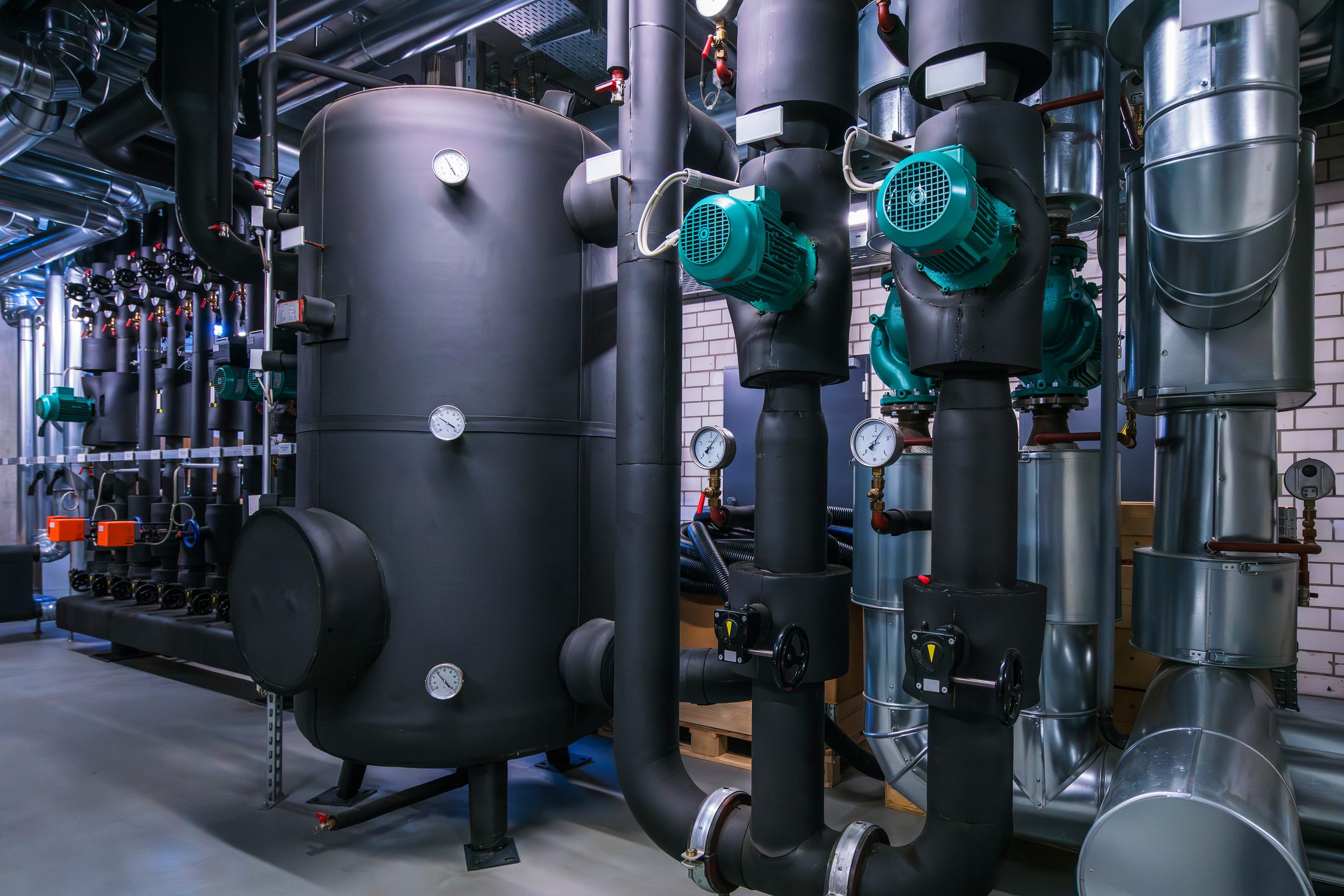
Commercial boiler pressure refers to the pressure within the heating system. In many sealed heating systems, pressure is needed to help circulate hot water around pipework, radiators, fan convectors, underfloor heating or other heat emitters.
The correct pressure can vary depending on the type of system, the size of the building and the manufacturer’s requirements. A small commercial boiler serving an office may have different pressure requirements from a larger plant room system serving a school, hotel or multi-storey building.
If the pressure drops too low, the boiler may stop working to protect the system. If the pressure rises too high, safety devices may activate. In some cases, users may notice visible signs first, such as cold radiators, unusual noises, leaking pipework or repeated boiler lockouts.
Because commercial heating systems can be more complex than domestic systems, pressure problems should always be checked by a qualified engineer. Guessing at the cause can lead to further damage or unsafe operation.
Common signs of a commercial boiler pressure problem
Pressure issues can show in different ways. Some problems are obvious, while others develop gradually over time.
Common warning signs include:
- The boiler keeps locking out
- Heating is not reaching all areas of the building
- Radiators or heat emitters remain cold
- Hot water is inconsistent
- The pressure gauge is too low
- The pressure gauge is too high
- Water is leaking from pipework or valves
- The system needs regular topping up
- There are banging, gurgling or whistling noises
- Pressure rises quickly when the heating turns on
- Pressure drops overnight or between uses
- Fault codes appear on the boiler display
If any of these issues are happening regularly, it is worth arranging a professional inspection. A one-off pressure change may not always point to a serious fault, but repeated pressure loss or pressure increases usually mean there is an underlying issue.
What causes low commercial boiler pressure?
Low pressure is one of the most common commercial boiler problems. It usually means that there is not enough water pressure within the system for it to work correctly.
A low-pressure issue may be caused by several things.
Leaks in the heating system
A leak is one of the most likely causes of falling pressure. The leak may be visible, such as water around a boiler, pipe joint, radiator valve or plant room component. However, some leaks are harder to find. They may be hidden under floors, behind walls or within parts of a larger system.
Even a small leak can cause pressure to fall over time. If the system is being topped up regularly, but the pressure keeps dropping, a leak should be investigated.
Leaks should not be ignored. They can damage the building, reduce heating performance and place extra strain on the boiler.
Faulty pressure relief valve
A pressure relief valve is designed to discharge water if the system pressure becomes too high. If this valve is faulty or has been activated repeatedly, it may allow water to escape from the system and cause pressure loss.
This can sometimes be seen through discharge pipework. However, it should always be checked by an engineer to confirm the cause.
Expansion vessel problems
Many sealed heating systems use an expansion vessel to manage the expansion of water as it heats up. If the expansion vessel is faulty, incorrectly charged or too small for the system, pressure can become unstable.
A common sign of expansion vessel trouble is pressure rising when the boiler is running, then dropping again when the system cools. In some cases, this can lead to repeated discharge through the pressure relief valve.
Air in the system
Air trapped in the heating system can affect circulation and pressure. It can also cause gurgling noises, cold spots and uneven heating.
Bleeding radiators or venting air from parts of the system may reduce pressure, so the system may need to be checked and correctly refilled afterwards. On commercial systems, this should be handled carefully to avoid creating further issues.
Recent maintenance or repair work
Pressure can sometimes drop after maintenance, radiator work, pipework alterations or component replacement. If the system has not been refilled or checked correctly, pressure problems may appear once the heating is used again.
This is one reason why commercial heating work should always be completed by experienced engineers who understand the full system, not just one part of it.
What causes high commercial boiler pressure?
High pressure can be just as concerning as low pressure. It can place strain on parts of the system and may cause safety controls to activate.
Common causes of high pressure include:
- Too much water in the system
- A faulty filling loop or filling valve
- Expansion vessel failure
- Blocked pipework or poor circulation
- Faulty controls
- Incorrect system setup
- Heat expansion that is not being managed properly
High pressure should not be reduced without understanding the cause. Simply draining water from the system may only provide a short-term fix. If the underlying fault remains, the pressure may rise again.
In larger buildings, high pressure may also point to wider system issues, including pump problems, control faults or poor system design. A full assessment can help identify what is happening and why.
Why commercial boiler pressure problems should not be ignored
It can be tempting to keep topping up a boiler or resetting the system when pressure problems appear. While this may get the heating working again for a short time, it does not solve the cause.
Ignoring pressure problems can lead to:
- Repeated breakdowns
- Higher repair costs
- Poor heating performance
- Increased energy use
- Water damage from leaks
- Damage to pumps, valves and boiler components
- Shorter equipment lifespan
- Disruption for staff, tenants, guests or customers
- Safety concerns if faults are left unchecked
For commercial buildings, the impact can be serious. A hotel without reliable hot water may face guest complaints. A school with heating faults may need urgent temporary arrangements. A care home may need immediate action to protect residents. An office or retail site may struggle to keep staff and customers comfortable.
Pressure problems are often easier and cheaper to deal with when they are found early. Regular maintenance can help identify warning signs before they become major failures.
How engineers diagnose commercial boiler pressure problems
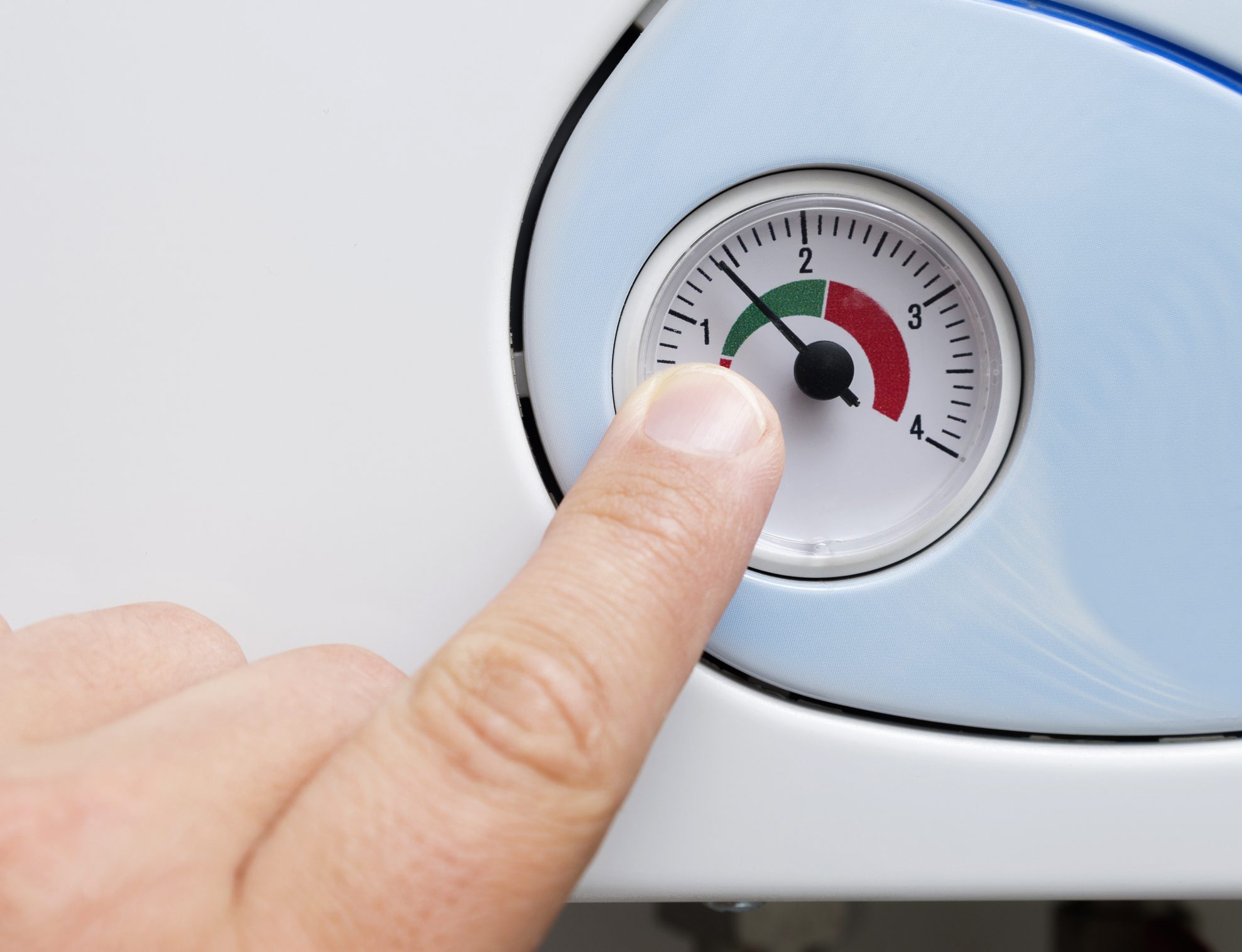
A qualified commercial heating engineer will not just look at the pressure gauge and make a guess. They will assess the wider system and look for evidence of the cause.
The checks may include:
- Inspecting the boiler and plant room
- Checking the pressure gauge
- Looking for visible leaks
- Testing key valves
- Checking the expansion vessel
- Reviewing recent fault codes
- Inspecting pumps and circulation
- Checking radiators, pipework and controls
- Assessing whether the system has been topped up repeatedly
- Checking whether pressure changes when the system heats and cools
On larger systems, diagnosis may take time because the fault could be in a different part of the building. A pressure issue at the boiler may be caused by a leak elsewhere in the system, a failed component or poor circulation.
At J&S Heating, we focus on clear diagnosis and practical advice. If a repair is needed, we explain the issue and the safest way to put it right. If the problem is linked to poor maintenance or an ageing system, we can advise on the next steps.
When does a pressure problem need commercial boiler repair?
A pressure issue may need repair if there is a faulty component, leak or mechanical fault. This could include replacing valves, repairing pipework, recharging or replacing an expansion vessel, fixing pump issues or dealing with a damaged part.
If your boiler is locking out, leaking or showing repeated pressure faults, it is time to arrange commercial boiler repair. A professional repair can help restore the system safely and reduce the risk of the same problem returning.
A repair may be the best option if the boiler is otherwise in good condition and the fault can be resolved without major work. However, if pressure problems are part of a wider pattern of breakdowns, the system may need a more detailed review.
Can servicing help prevent pressure problems?
Regular servicing is one of the best ways to reduce the risk of pressure problems. During a service, an engineer can check the boiler, look for early warning signs and make sure key parts are working correctly.
Planned commercial boiler servicing can help identify issues such as small leaks, failing valves, poor combustion, worn parts, incorrect pressure settings and system condition concerns.
For busy commercial sites, annual servicing should be seen as a basic requirement rather than an optional extra. Some sites may need more frequent checks depending on usage, system age and operational risk.
Servicing does not guarantee that a boiler will never break down, but it does improve the chance of finding problems early. It can also help improve efficiency, protect warranties and support safe operation.
When should a commercial boiler be replaced instead of repaired?
Not every pressure problem means the boiler needs replacing. Many faults can be repaired. However, replacement may be worth considering if the boiler is old, unreliable or no longer suitable for the building.
A replacement may be the better option if:
- The boiler breaks down regularly
- Pressure problems keep returning
- Replacement parts are difficult to source
- Repair costs are increasing
- Heating demand has changed
- The system is inefficient
- The boiler is no longer safe or practical to maintain
- The building has been extended or changed
If the existing boiler is no longer meeting the needs of the building, commercial boiler installation may provide a better long-term solution. A new boiler can be correctly specified for the current heating demand, hot water use and building layout.
Before recommending replacement, we assess the existing system and explain the options clearly. Our aim is to help customers make a sensible decision based on safety, reliability, cost and long-term performance.
The role of commercial boiler care plans
For many businesses, pressure problems are not just a technical issue. They are an operational risk. If heating or hot water fails, the business may face disruption, complaints or emergency costs.
Commercial boiler care plans can help manage that risk by providing planned support for your heating system. A care plan can make it easier to keep on top of servicing, maintenance and repairs.
This is especially useful for:
- Schools
- Hotels
- Care homes
- Offices
- Retail premises
- Housing providers
- Public sector buildings
- Multi-site commercial portfolios
A planned approach helps reduce last-minute decisions and gives site teams a clearer understanding of the boiler condition. It can also help budget for future repairs or replacement work.
What should you do if your commercial boiler pressure keeps dropping?
If the pressure keeps dropping, do not keep topping up the system without investigating the cause. Repeated topping up can introduce fresh water into the system, which may increase the risk of corrosion and sludge over time.
The best steps are:
- Check whether there are any visible leaks
- Note how often the pressure drops
- Record any fault codes
- Check whether the pressure changes when heating is on
- Avoid resetting the boiler repeatedly
- Arrange a professional inspection
If the building depends heavily on heating or hot water, it is better to act early. Waiting until the boiler fails completely can lead to higher costs and more disruption.
Speak to J&S Heating about commercial boiler pressure problems
Commercial boiler pressure problems should always be taken seriously. Low pressure, high pressure or unstable pressure can all point to faults that need professional attention.
J&S Heating supports commercial clients with boiler pressure issues, servicing, repairs, care plans and installation work. We help businesses, landlords and facilities teams keep heating and hot water systems safe, reliable and efficient.
Whether your boiler keeps losing pressure, the system is showing fault codes or you are unsure whether repair or replacement is the best option, we can help.
To discuss commercial boiler pressure problems or arrange an engineer visit, get in touch with J&S Heating today.