


When should I replace my central heating system? If you think your central heating needs upgrading, you can save money with a new efficient heating system. Find out if it is time to upgrade your central heating.
THE ADVANTAGES OF A COMPREHENSIVE HEATING SYSTEM UPDATE
The initial expense of installing a new heating system sometimes discourages individuals from updating their old one, but the long-term benefits far surpass the initial expenses. The savings come from the new heating system’s greater efficiency, which wastes less energy and so lowers your monthly heating costs.
New central heating system technology can assist in adjusting temperature levels in various areas around the house, as well as combining controls through smart thermostats are smartphone technology. Individual controls, such as exterior sensors and thermostatic radiator valves, can aid in increasing the efficiency of the boiler; these can be incorporated when installed a new central heating system.
If you have a typical central heating system in your home, you most likely have an outdated boiler that takes up a lot of space. Boilers are not only more energy-efficient, which saves you money, but they are also smaller and quieter than earlier models. They not only conserve space but also provide peace of mind by operating silently in the background.
A new central heating system can help you reduce your carbon footprint due to its greater efficiency. It is also based on the fact that modern central heating systems are designed and built with minimal environmental impact in mind. You will benefit from the steady temperature of a house with central heating. This is because warm air does not circulate dust or allergies, therefore keeping your home clean.
WHEN SHOULD YOU REPLACE RADIATORS?
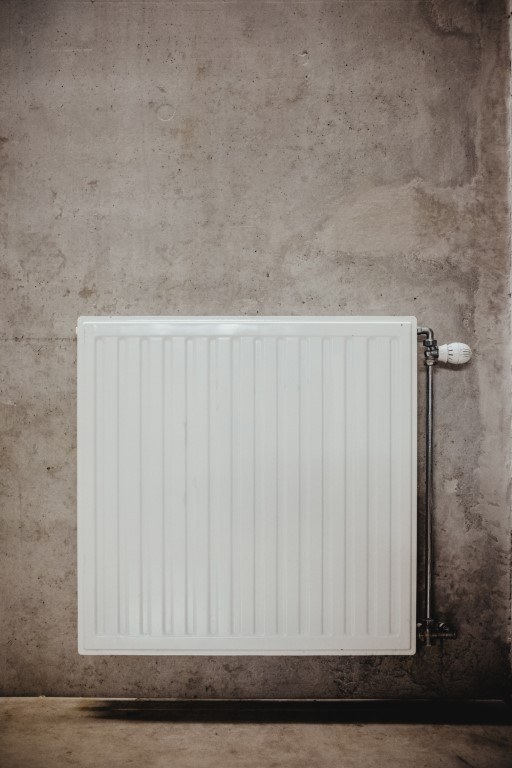 Radiators, like anything else you use daily, can suffer from wear and tear. Damage to your radiators, unlike wear and tear on other household goods such as the sofa, can be highly harmful and not especially obvious. Old radiators might break down, leaving you without heat or with inadequate heat.
You can readily tell when old radiators need to be replaced while inspecting your central heating. If you have no difficulties with hot water but notice that it is cooler than usual, it is likely time to repair your radiators.
There is no straightforward answer, but in general, radiators should be replaced every fifteen to twenty years. A lack of central heating does not necessarily imply the need for a new boiler, but rather that your radiators need to be repaired.
There are various advantages to buying new radiators, and they go beyond merely keeping you warm and cosy when you need them! New radiators are constructed with cutting-edge technology and features, making them significantly more energy efficient than previous models. Modern radiators not only provide a larger range of styles to pick from than older radiators, but they may also help you drastically reduce your heating costs because they are potentially much more energy efficient.
Although you may not have given a radiator and everything it does for you much thought, for the majority of us, a radiator is a standard household item that we all take for granted. Since they wait until it is too late to consider buying a new radiator, many consumers wind up trying to reduce their energy usage or cold spots.
We expect radiators to function well when we need them, but if you live in an older house, the central heating system is likely to have been neglected for many years and may no longer be fit for purpose. Replacing radiators is more than simply an aesthetic enhancement; it is also something to think about if you are remodelling and want to boost the value of your home. However, before you install new radiators, make sure your boiler is capable of handling the new system.
WHEN TO REPLACE A BOILER
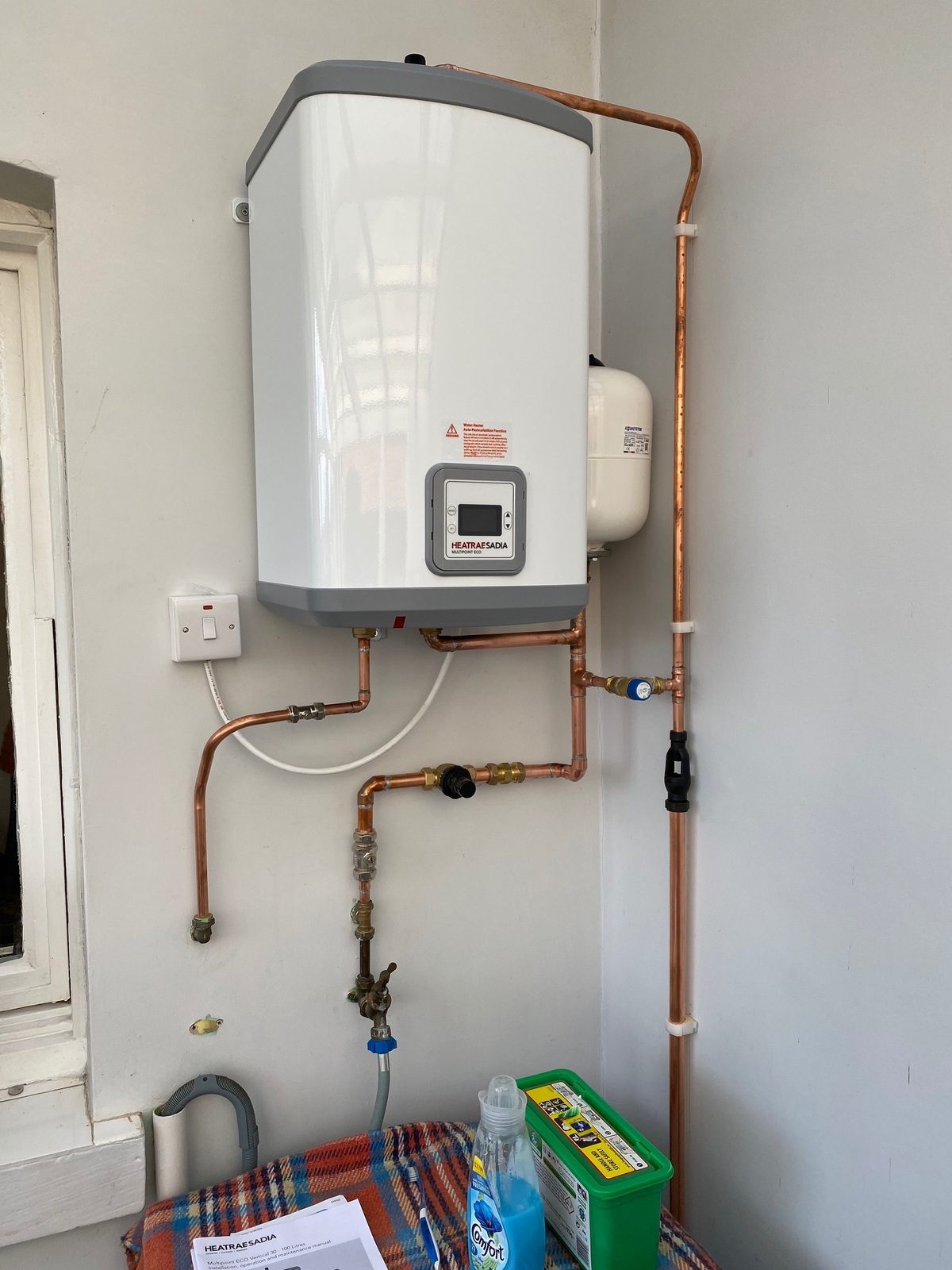 Boiler replacement is not an easy undertaking, and you must consider various considerations before embarking on it. That is why it is critical to understand when to replace your boiler. There are several crucial markers for this, which we address in further detail below.
Although your boiler may be operating normally, it is time to consider a replacement after 10 to 15 years of service. This is because older appliances are typically less efficient than newer, more environmentally friendly choices. Your ancient boiler may occasionally lose pressure and may require internal part repair.
Your boiler might be leaking for a variety of reasons. These are caused by a faulty boiler pressure valve, corrosion in the system or heat exchanger, temperature valve difficulties, loose pipe connections or damaged seals in the boiler pump, and other factors.
If you pay a lot of money to have your boiler fixed numerous times a year, you’re probably wasting your money. Boilers should last up to 15 years without needing to be repaired often. When you combine this with energy inefficiency and rising power bills, you should know it’s time to locate a boiler specialist to repair your boiler.
If your boiler starts making strange noises or odours, it may need to be replaced if it has internal problems. If you notice temperature discrepancies when using water fixtures such as taps, showers, or bathtubs around your house, it may be time to have your boiler re-pressurized. If none of this helps, you should think about replacing your appliance.
In conclusion, you will pay more for a less effective boiler (let’s say a G-rated boiler) than an A-rated boiler. This is due to system inefficiencies brought on by the water heating process taking too long. Purchasing an A-rated boiler will save your energy costs while also being good for the environment. Determining the optimal choice, therefore, requires understanding boiler efficiency ratings.
HOW LONG DOES A BOILER LAST?
In the UK, where combi boilers are the most popular option in homes, the normal lifespan of a modern boiler is roughly 15 years. Your boiler may last even longer if you buy a high-quality model and get it serviced periodically.
HOW CAN I TELL IF I NEED TO REPLACE MY BOILER?
If your central heating system isn’t working well or can’t meet your needs, you should think about replacing it. If your boiler pressure needs to be adjusted regularly or your radiators are taking longer to warm up than they used to, it may be time for a replacement.
Many of the noises made by central heating systems are safe and unimportant, but you should monitor any variations in loudness. For instance, tapping sounds on pipes can indicate that “sludge” has accumulated in your heating system.
Your system may be flushed to resolve this, but further noises could indicate a more serious issue. If you haven’t heard something humming, clunking, vibrating, or banging before or if it starts to happen frequently, pay attention to it. They might be an indication of ageing, wear and tear, a damaged valve, or even a heat pump issue. If you hear anything strange, you should tell your engineer.
An odourless, smell-free boiler will never release any odours. If it happens, a specialist has to look into it right away. When operating your boiler, if you notice a sulphurous or eggy smell, there may be a gas leak. Any little odours can be a sign of a carbon monoxide leak. Since the considerable risk involved, shut off the boiler right away and dial the emergency gas line.
Carbon monoxide has the potential to be exceedingly lethal. Since the gas itself has no scent, a stench might develop if the boiler is burning improperly due to the leak. Carbon monoxide poisoning symptoms include headaches, breathlessness, nausea, and unconsciousness.
If you are looking for more advice on central heating upgrades and new boiler installations in the Romford and Essex areas, follow the links below to find out more.