

Carbon monoxide is one of the most dangerous hazards associated with gas appliances. It is invisible, odourless, and tasteless, yet it can cause serious injury or death in a short period of time. Homes and businesses that use gas must understand how carbon monoxide forms, how to recognise the warning signs, and how to prevent exposure.
This guide explains carbon monoxide in clear, practical terms and outlines the steps needed to keep people safe.
What carbon monoxide is and why it is dangerous
Carbon monoxide is a toxic gas produced when fuels such as natural gas, oil, coal, or wood burn incompletely. In a properly working appliance, fuel burns efficiently and produces minimal carbon monoxide. Problems arise when appliances malfunction, ventilation is inadequate, or flues become blocked.
Once inhaled, carbon monoxide enters the bloodstream and reduces the blood’s ability to carry oxygen. This deprives vital organs of oxygen, leading to serious health effects. Because the gas cannot be seen or smelled, people often remain unaware of exposure until symptoms appear.

Common sources of carbon monoxide
Carbon monoxide can be produced by many everyday appliances and systems.
Common sources include:
- Gas boilers
- Gas fires
- Gas cookers
- Water heaters
- Solid fuel appliances
- Portable heaters
- Blocked or damaged flues
- Poorly installed ventilation systems
Faults can develop gradually, making regular checks essential even if appliances appear to be working normally.
How carbon monoxide builds up indoors
Carbon monoxide builds up when combustion gases cannot escape properly. This often happens due to:
- Blocked chimneys or flues
- Poor ventilation
- Incorrect appliance installation
- Lack of maintenance
- Damage caused by building work
- Corrosion or wear within appliances
Modern buildings that are well sealed for energy efficiency may increase risk if ventilation is inadequate.
Symptoms of carbon monoxide poisoning
Carbon monoxide poisoning often begins with mild symptoms that resemble common illnesses. This makes it easy to miss early warning signs.
Common symptoms include:
- Headaches
- Dizziness
- Nausea
- Fatigue
- Confusion
- Shortness of breath
As exposure continues, symptoms can worsen, leading to loss of consciousness, seizures, and death. Children, elderly people, pregnant individuals, and those with heart or respiratory conditions face higher risk.
Symptoms may improve when leaving the building, which can be a key indicator of carbon monoxide exposure.
Long-term effects of exposure
Even low-level or intermittent exposure can cause long-term health problems. These may include:
- Persistent headaches
- Memory issues
- Difficulty concentrating
- Heart complications
- Neurological damage
Repeated exposure can also increase sensitivity to future poisoning.
Warning signs beyond physical symptoms
There are often visible or audible warning signs that suggest a carbon monoxide risk.
These include:
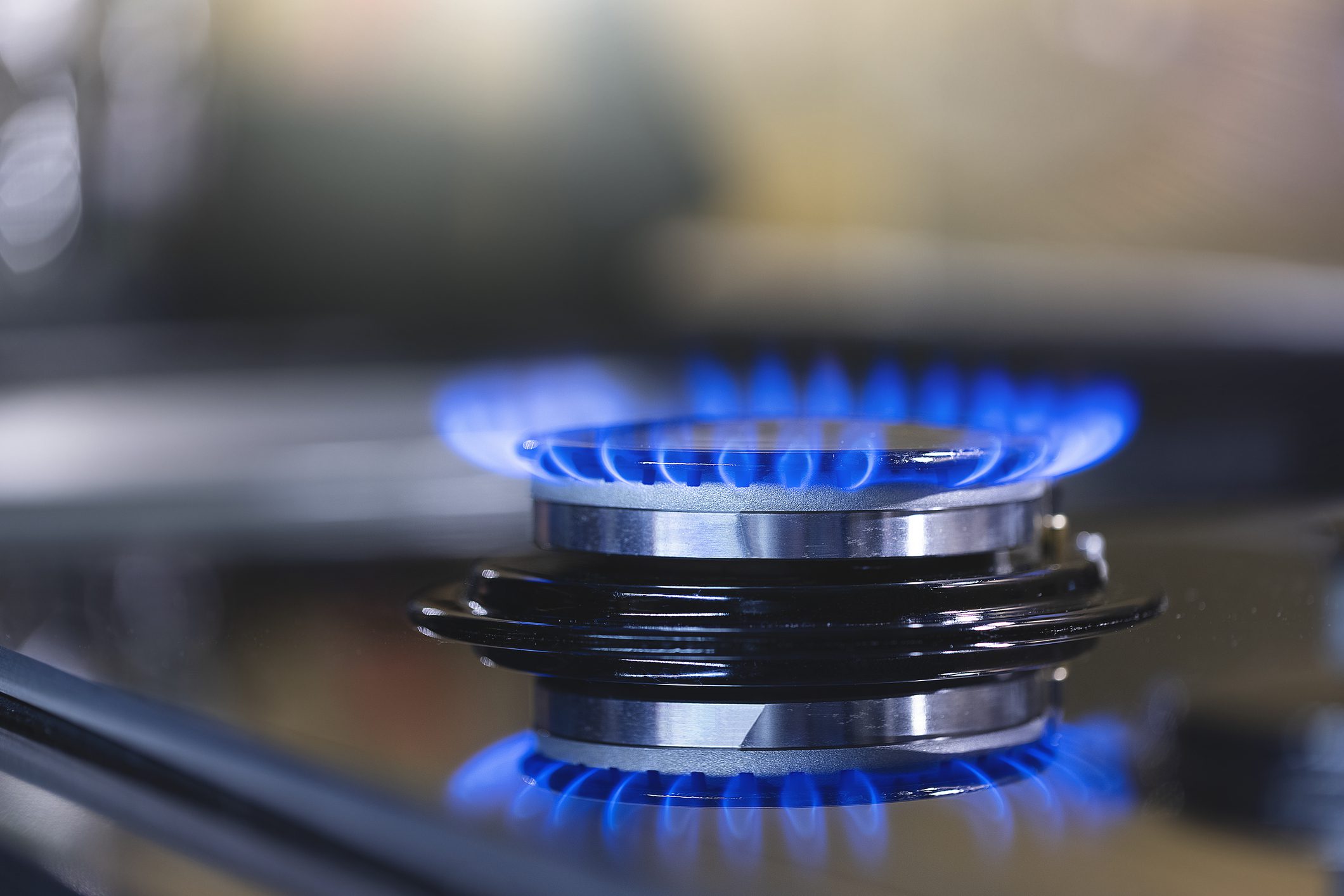
- Yellow or orange flames instead of blue
- Soot or staining around appliances
- Pilot lights frequently blowing out
- Increased condensation on windows
- Unusual smells from appliances
- Carbon monoxide alarm activation
Any of these signs require immediate investigation.
What to do if you suspect carbon monoxide exposure
If carbon monoxide is suspected, action must be taken immediately.
Steps to follow include:
- Open doors and windows to ventilate the area
- Turn off gas appliances if safe to do so
- Leave the building
- Seek medical advice if anyone feels unwell
- Contact a qualified gas engineer before using appliances again
If a carbon monoxide alarm sounds, treat it seriously and follow the manufacturer’s guidance.
Carbon monoxide alarms and their role in prevention
Carbon monoxide alarms are a critical safety measure. They detect elevated levels of carbon monoxide and provide an audible warning before symptoms become severe.
Alarms should be installed:
- In rooms containing gas or solid fuel appliances
- Near sleeping areas
- In accordance with manufacturer instructions
Alarms should be tested regularly and replaced according to the manufacturer’s lifespan guidance. Batteries should be checked routinely.
Alarms do not replace proper appliance maintenance or ventilation but provide an essential final line of defence.

Importance of regular appliance servicing
Regular servicing is one of the most effective ways to prevent carbon monoxide incidents.
A qualified Gas Safe registered engineer will:
- Check appliance combustion
- Inspect flues and ventilation
- Identify early signs of failure
- Ensure safe operation
Annual servicing reduces risk and ensures compliance with safety regulations.
Ventilation and air supply considerations
Adequate ventilation ensures appliances receive enough oxygen to burn fuel safely.
Blocked vents, sealed air bricks, or changes made during building renovations can increase risk. Ventilation points should never be blocked or removed without professional advice.
In commercial and residential settings, ventilation design must match appliance requirements.
Responsibilities of landlords and property owners
Landlords and property owners have legal responsibilities to protect occupants from carbon monoxide risk.
These responsibilities include:
- Maintaining gas appliances in safe condition
- Arranging annual gas safety checks
- Installing required carbon monoxide alarms
- Providing safety information to tenants
Failure to meet these duties can lead to enforcement action and severe penalties.
Responsibilities of occupants
Occupants also play a role in carbon monoxide prevention.
They should:
- Report appliance issues promptly
- Test carbon monoxide alarms regularly
- Avoid blocking ventilation
- Never use appliances incorrectly
- Never use outdoor fuel appliances indoors
Clear communication between occupants and property owners supports safety.
Impact of poor installation
Incorrect installation is a major cause of carbon monoxide incidents. Improper flue connections, poor combustion setup, and inadequate ventilation can all lead to dangerous conditions.
Only Gas Safe registered engineers are legally permitted to install or work on gas appliances. Verification of credentials protects both property owners and occupants.
Preventing carbon monoxide incidents through best practice
Effective prevention combines several measures.
Best practice includes:
- Annual servicing and safety checks
- Correct appliance installation
- Adequate ventilation
- Proper flue maintenance
- Functional carbon monoxide alarms
- Prompt response to warning signs
No single measure is sufficient on its own. Layered protection provides the strongest defence.
Carbon monoxide awareness saves lives
Carbon monoxide poisoning is entirely preventable. Awareness, maintenance, and proper safety measures dramatically reduce risk.
Understanding how carbon monoxide forms, recognising early symptoms, and taking preventative action protects lives and property.
Final thoughts
Carbon monoxide is a silent danger, but it does not have to be a hidden one. Through responsible appliance care, proper ventilation, and effective alarm use, homes and businesses can remain safe.
Proactive attention to carbon monoxide safety protects occupants, ensures compliance, and provides peace of mind.